Read The
Current Issue


Cold, Hard Facts
The cold can be invigorating, or downright mean. Here are some things to consider when planning a winter outing in Jackson Hole.
// By Bevin Wallace
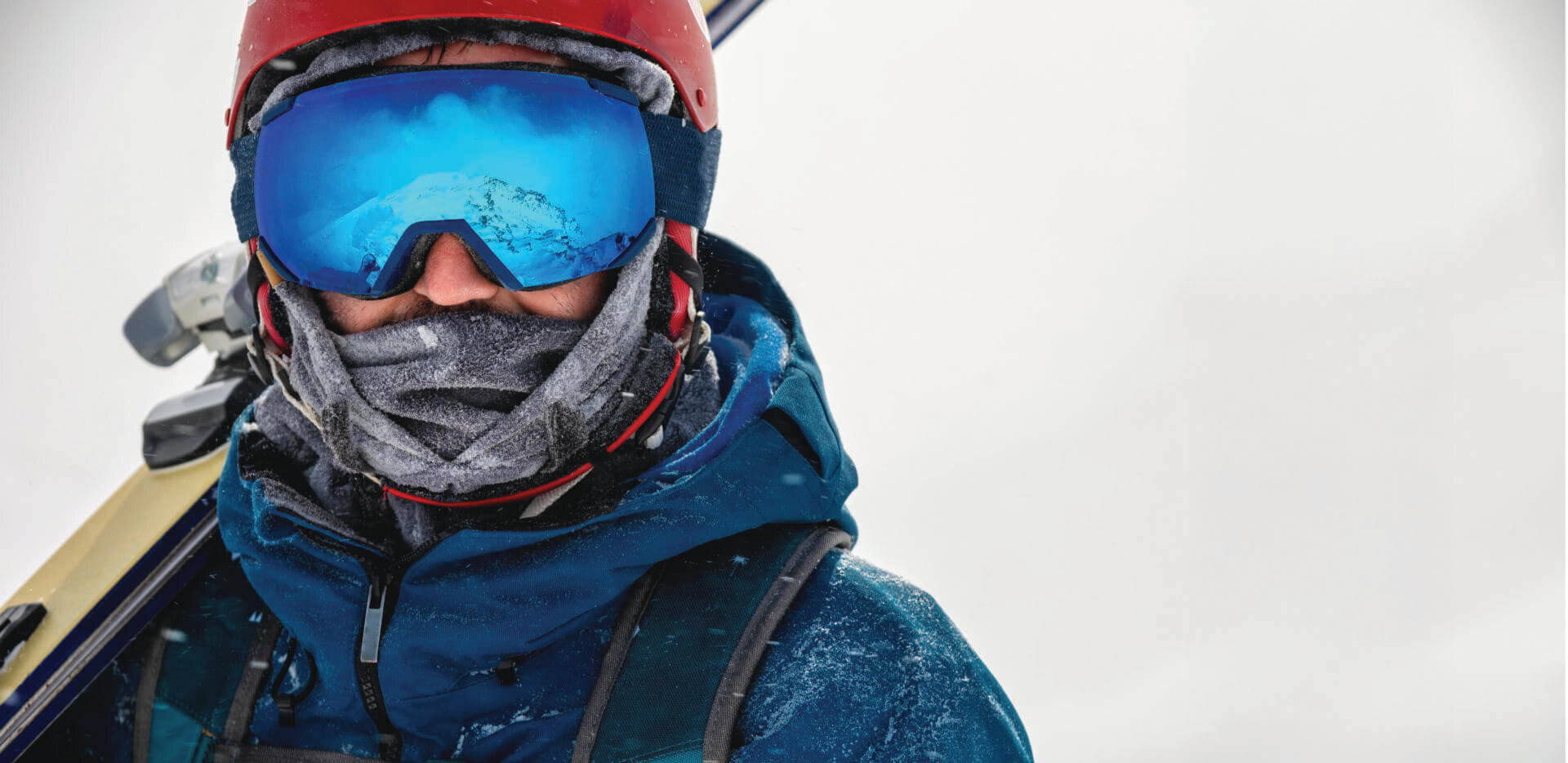
If you haven’t experienced a Jackson Hole winter, get ready for a unique experience complete with epic powder skiing, beautiful snowshoe hikes, perfectly groomed Nordic trails—and frigid weather. From November to March, high temperatures in Jackson average around 22 degrees Fahrenheit, and we have roughly 50 days per year when the low temperature is below zero—so it’s literally freezing for most of the season. Add in the heavy snow, strong winds, and an active outdoor lifestyle, and you can see why being cold is part of life here.
Taking care of yourself in the cold—that is, avoiding some of the most unpleasant, and potentially dangerous, effects of freezing weather—is mostly about knowing the risks and being prepared. There are a few universal winter commandments—stay hydrated, dress in layers, and wear wicking apparel to keep dry—and then there are things that are a bit more specific. Here’s a rundown of those.
Don’t Get Cold Feet on the Slopes
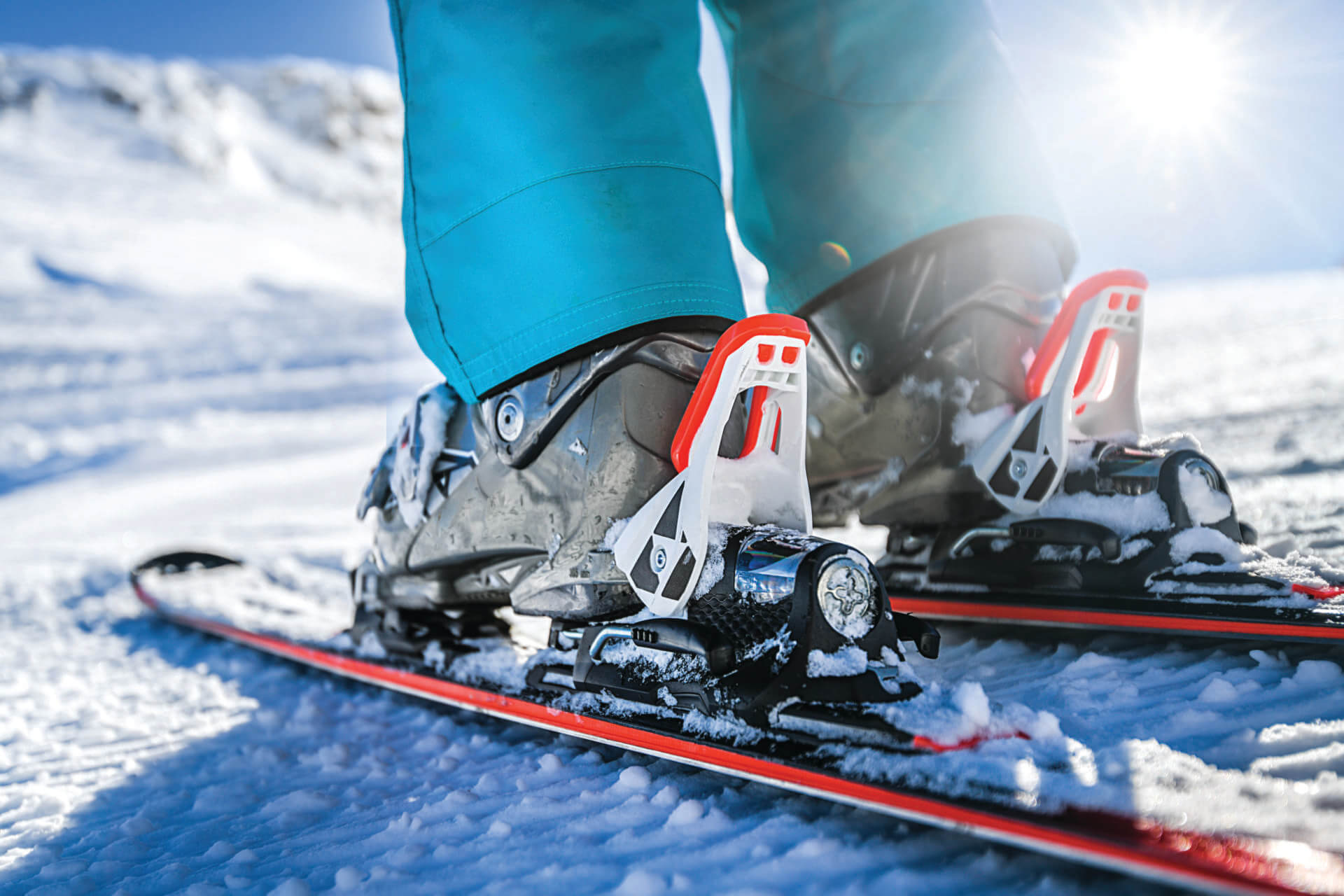
When you’re outside in the cold, especially if you’re not dressed properly for the weather, your body will prioritize keeping your core warm. To do this, it naturally constricts the blood vessels in your extremities and redirects blood flow to your core, leading to cold feet and hands. If you have poor circulation (like people with Reynaud’s syndrome) or boots that restrict blood flow—like typical ski boots—the situation can get worse quickly. To prevent having cold feet ruin your ski day or any day, first make sure your boots fit well and don’t cut off your circulation. Then add a pair of insulating socks made from either merino wool or a synthetic blend. Avoid cotton socks because they trap moisture and can make your feet colder. In extreme cold, consider wearing a thin liner sock with a warm sock layer on top. Heated socks also exist and are a pretty good option if you continuously suffer from cold feet. Wear proper cold-weather layers to keep the rest of your body warm. Chemical foot warmers can be tricky with form-fitting ski boots, but they’re cheap and worth a try. Also, keep moving. Stomp your feet, do a duckwalk, or just wiggle your toes to get the blood flowing.
Protect Your Skin from the Cold
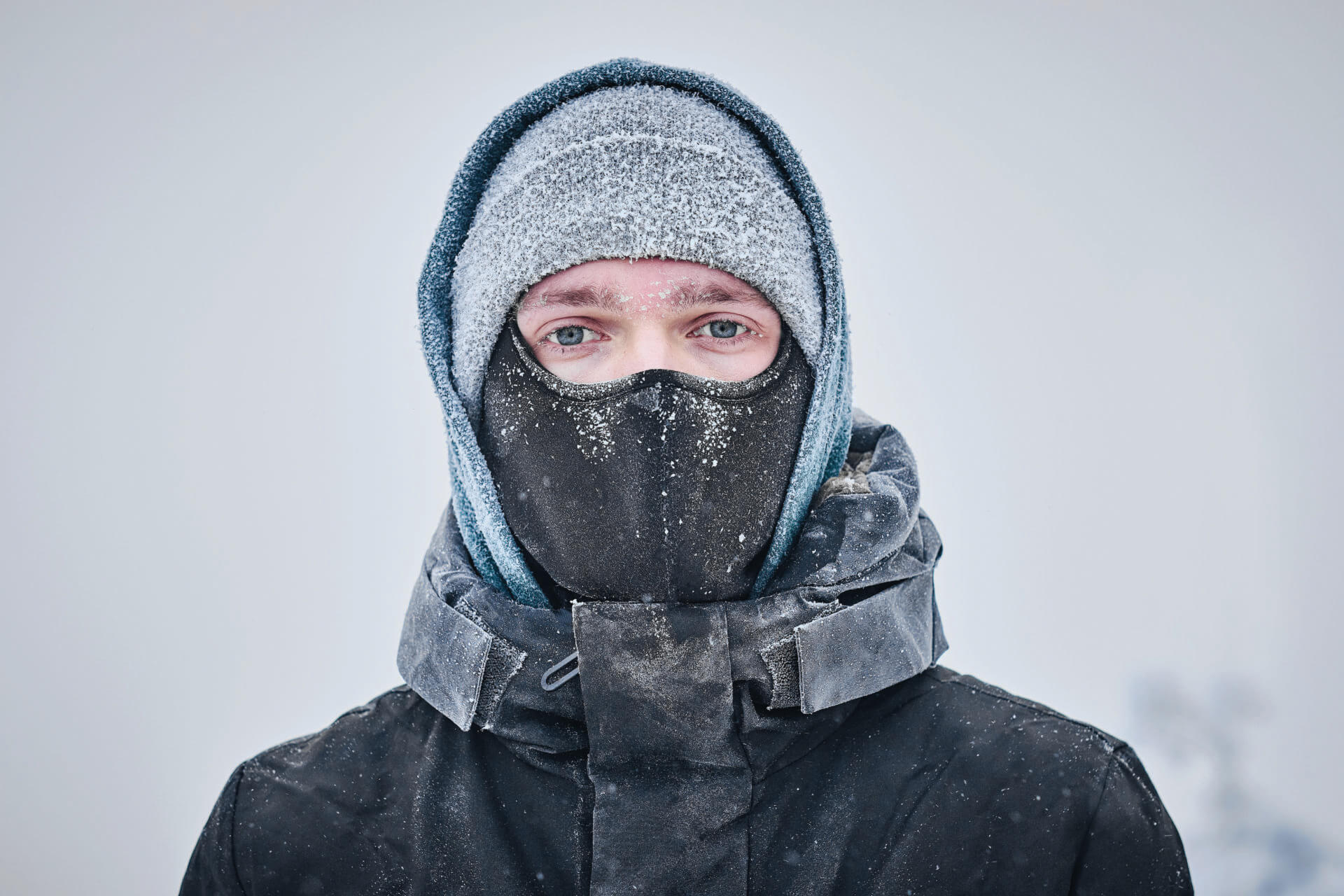
Cold air is brutal on exposed skin. Exposure to cold and wind can cause dry, chapped skin; exacerbate existing skin conditions; and even lead to frostbite, which is caused by tissue freezing and can create permanent skin damage or worse. Depending on the activity, there are several ways to save your skin from the effects of cold. The first and most obvious tactic is to make sure you don’t have any exposed skin. Wear a winter hat that covers your ears, gloves, a neck gaiter or scarf, and a face covering such as a balaclava or Buff. Some cold-weather runners and cross-country skiers swear by face tape such as Anti-Freeze and skin-protectant balms like Dermatone or Piz Buin’s Glacier Cream. If you try a balm, make sure it’s water-free (since water freezes) and reapply often. And, staying well hydrated helps your skin from the inside out. If your skin does get irritated from the cold, apply a thick moisturizer and consider using a humidifier. Also, it’s counterintuitive, but warm showers are less drying than hot ones. If, when you’re out in the cold, your skin feels numb, waxy, or changes color, it could be frostnip or frostbite. This is usually caused by prolonged exposure to extreme cold, but it can happen quickly, especially if you have impaired circulation. Effected areas should be warmed gently in warm water; don’t rub or irritate the skin. Seek medical attention.
Be Careful Breathing Cold Air
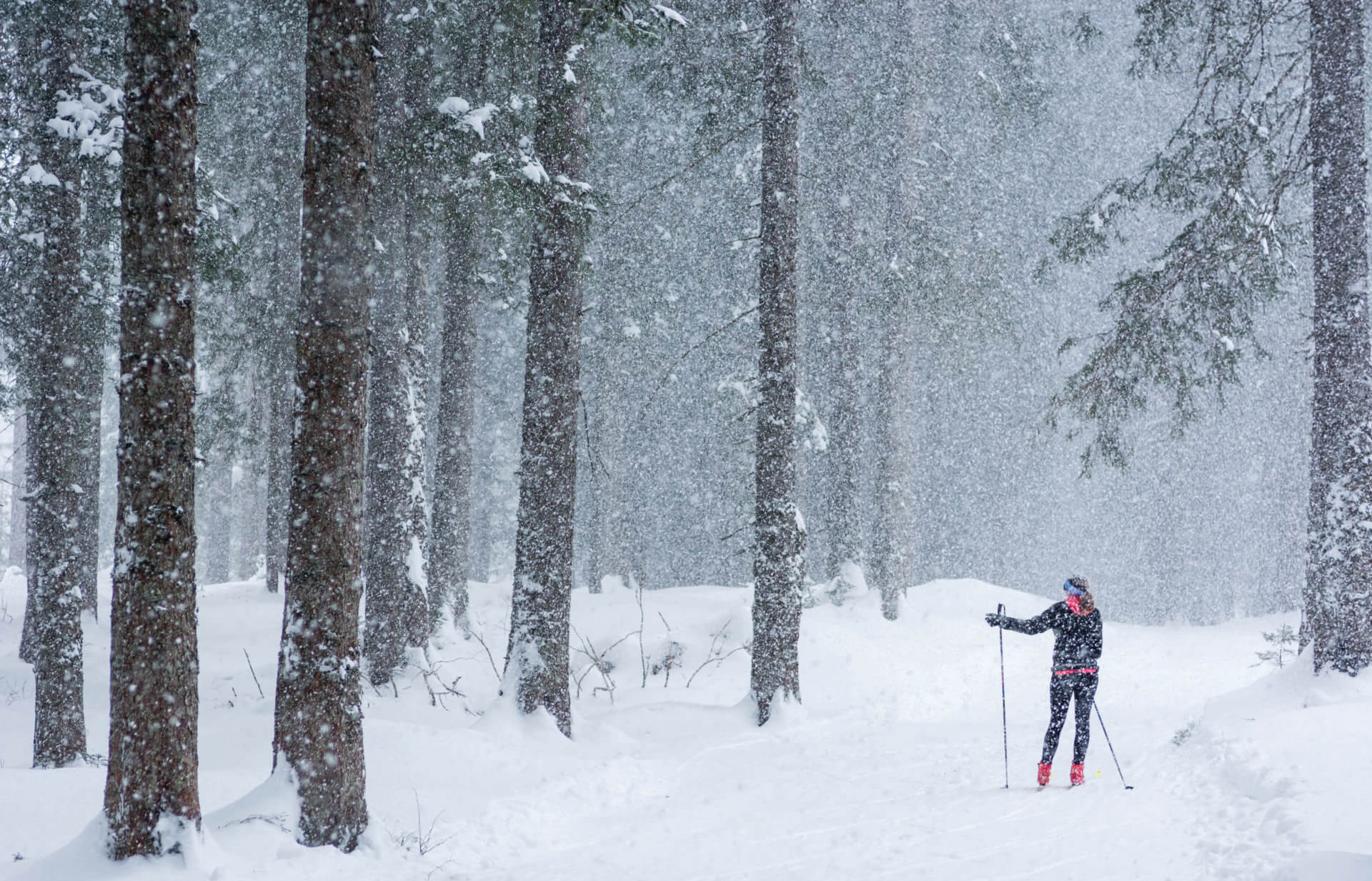
Remember when your mother told you not to go outside because you’d “catch your death of cold?” Well, she wasn’t totally wrong. While exercise is typically good for you, and so is fresh air, breathing hard in the cold can actually be bad for you. It can irritate the airways, leading to inflammation, and cause a bronchospasm or narrowing, making it harder to breathe. This is especially concerning for people with asthma or other respiratory conditions. Breathing cold air can also weaken the immune system, increase mucus production, and make you more susceptible to respiratory infections. To mitigate the risks, wear a scarf or face covering in extreme cold and dress warmly in general to keep your core and airways warm. Try to breathe through your nose, stay hydrated, and if you smoke, quit.
Understand Wind Chill
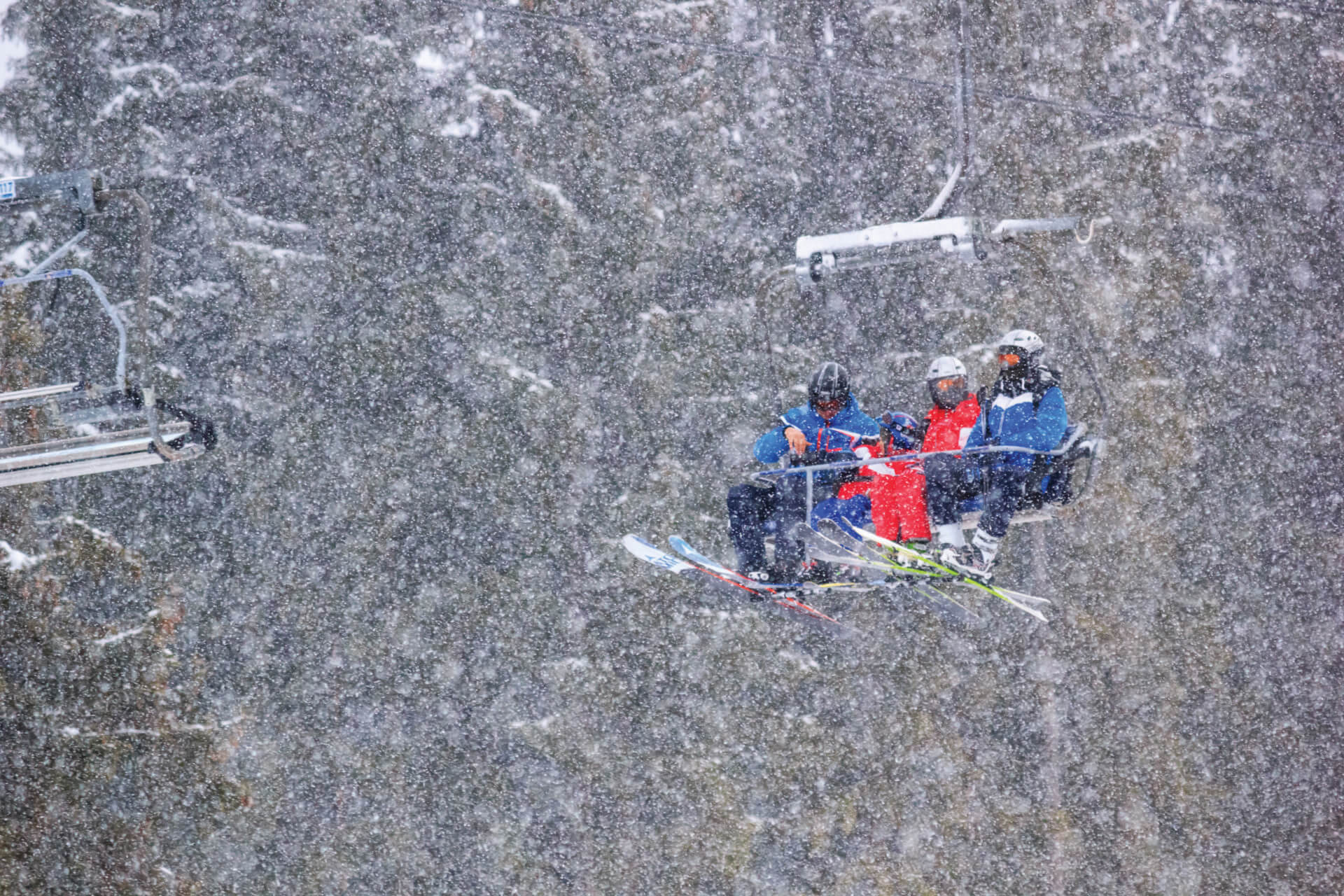
Wind chill happens when wind essentially blows away the layer of insulating warm air our body heat naturally produces and replaces it with cold air. The stronger and faster the wind, the more significant the effect. This increased heat loss makes us feel colder. Although it is defined as the “perceived decrease in air temperature that people feel on exposed skin due to the effect of wind,” wind chill is real. It is a significant factor in the risk of frostbite, because skin can freeze more quickly at low wind chill temperatures. The wind chill temperature index is the measure of how cold the air feels on exposed skin. There’s actually a fun mathematical formula to determine it: Wind chill (ºF) = 35.74 + 0.6215T – 35.75(V^0.16) + 0.4275T(V^0.16), where T is the air temperature in Fahrenheit and V is the wind speed in miles per hour. This formula applies for temperatures at or below 50 degrees Fahrenheit and wind speeds above 3 miles per hour. JH