Read The
Current Issue

Winter Wildlife Closures
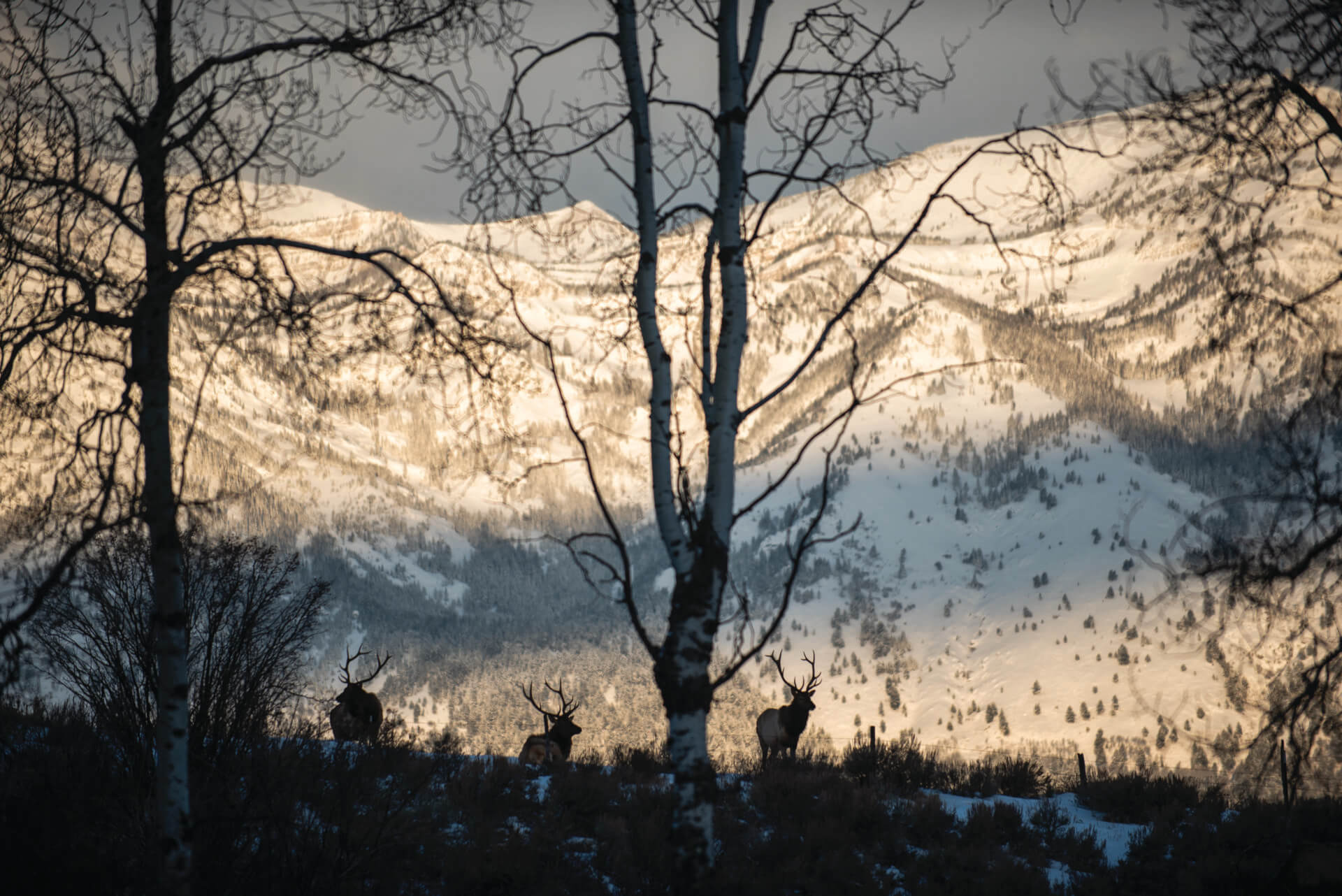
Portions of both federal and state public lands in Jackson Hole are off-limits to people in the winter to give local wildlife a break.
// By Molly Absolon
Just a few steps of post-holing in deep snow can be exhausting. You wallow around, searching for something firm to support your weight and keep you from sinking down to your crotch. Each step takes effort. But after such an extreme energy outlay, we humans get to return to our warm homes and pantries full of food. Wild animals don’t have that luxury. That’s why select swaths of public land in and around Jackson Hole are closed to humans in the winter.
“The reason we have winter wildlife closures in place is to protect wintering wildlife,” says Kyle Lash, the former senior game warden for Wyoming Game & Fish’s Jackson, South District (he’s still with WYG&F but now based in Cody). “When a skier or hiker startles an animal in the winter, if they’ve used up all their reserves, it’s likely that the animal will die in a day or two.” He says the months of March and April are particularly crucial for protecting wildlife because by that time, the animals have used up their fat reserves and any additional stress can be fatal.
“Most folks accept [winter wildlife] restrictions because they see the value in it,” says Ashley Egan, a wildlife biologist with the Bridger-Teton National Forest. “People recognize this place is known for its iconic wildlife, and they appreciate that. When people know the reasons why [a place is closed] and understand the trade-off between winter recreation impacts and winter wildlife survival needs, they accept the restrictions.”
People are responsible for knowing where winter wildlife closures are located—they occur on lands managed by the Bureau of Land Management, the Bridger-Teton National Forest, the Caribou-Targhee National Forest, Grand Teton National Park, the National Elk Refuge, Teton County, Wyoming Game & Fish, and others—and when they are in effect. Most are from December 1 through May 1, but this does vary.
Until recently, it was a challenge to find all of the areas that were closed in winter in one place. “As a recreationist, it was difficult to know where they were,” says Morgan Graham, a geographic information systems and wildlife specialist with the Teton Conservation District. He spent more than 200 hours over three years compiling all the digital and paper maps from different agencies into a single dataset, which is now available as an online resource. “If it was confusing to me—someone experienced with maps—it had to be confusing for the general public.”
Here’s a quick guide to some of the valley’s major closures; find all closures on the free app Avenza, which allows you to pinpoint a location anywhere in the valley (and country!), and on Teton County Conservation District’s interactive online map for users, tetonconservation.org/winter-wildlife-closures.
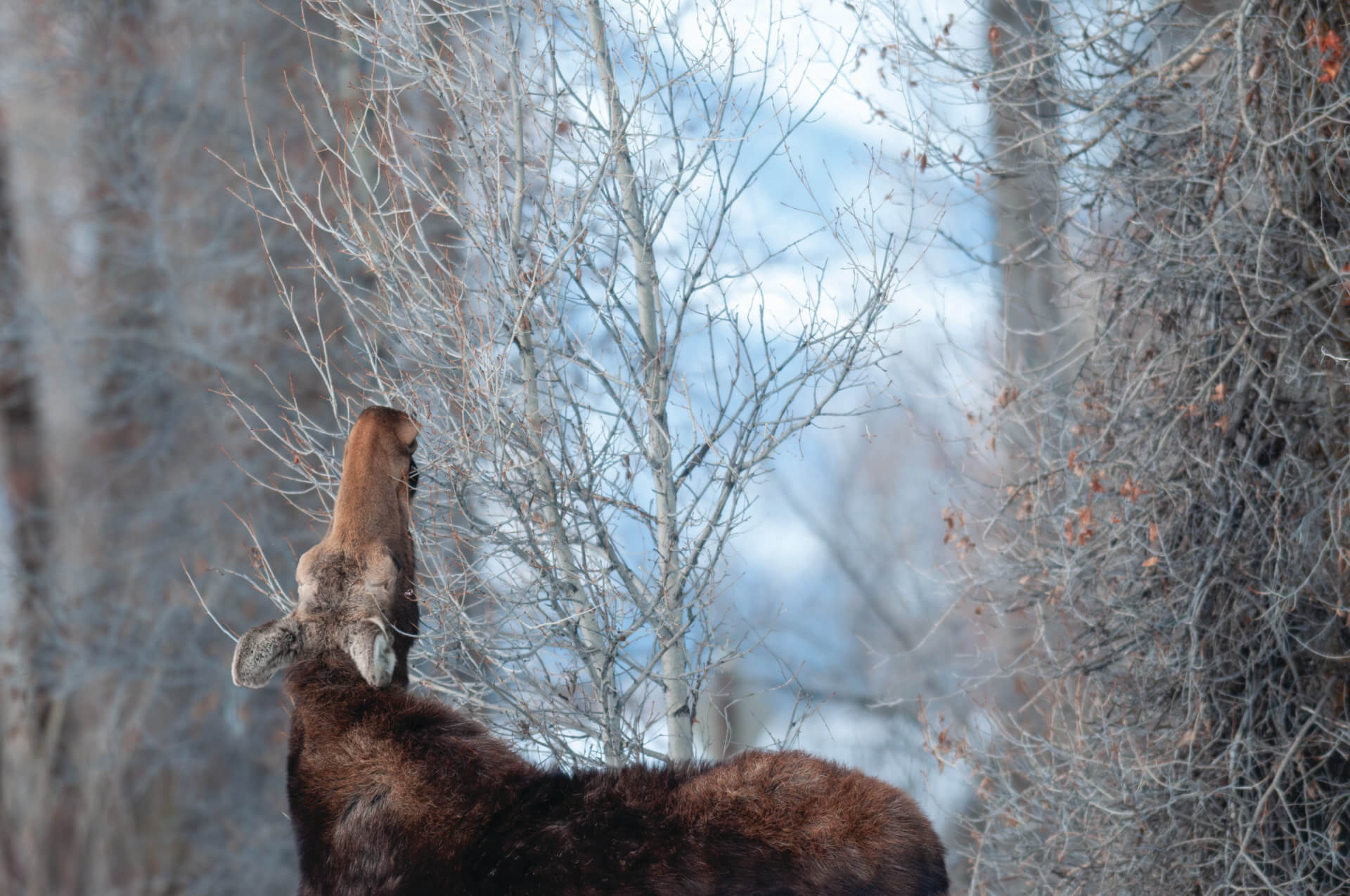
The riparian zones along the Snake River from Moran to Moose are closed to protect moose. “Riparian zones and smaller creeks with high-density woody vegetation provide both thermal cover and relatively high nutrition for moose and elk during the winter months,” Graham says.
The roughly 500 animals of today’s Jackson Hole/Teton Bison Herd trace their lineage to bison brought from Yellowstone in the 1940s, that were originally intended for captivity but later escaped their enclosure. While some slip onto the National Elk Refuge to dine on alfalfa pellets, much of the herd favors the Wolff Ranch on the east side of Highway 89 south of Moran, where windswept, south-facing slopes and ridgetops provide natural forage.
The South Park Wildlife Habitat Management Area and elk-feeding ground managed by Wyoming Game & Fish is closed to protect wintering elk. The state of Wyoming began feeding elk in the western part of the state more than 100 years ago to reduce winter elk deaths and decrease private property damage. Today, there are 21 state-run elk feedgrounds (plus the National Elk Refuge, which is run by the U.S. Fish and Wildlife Service).
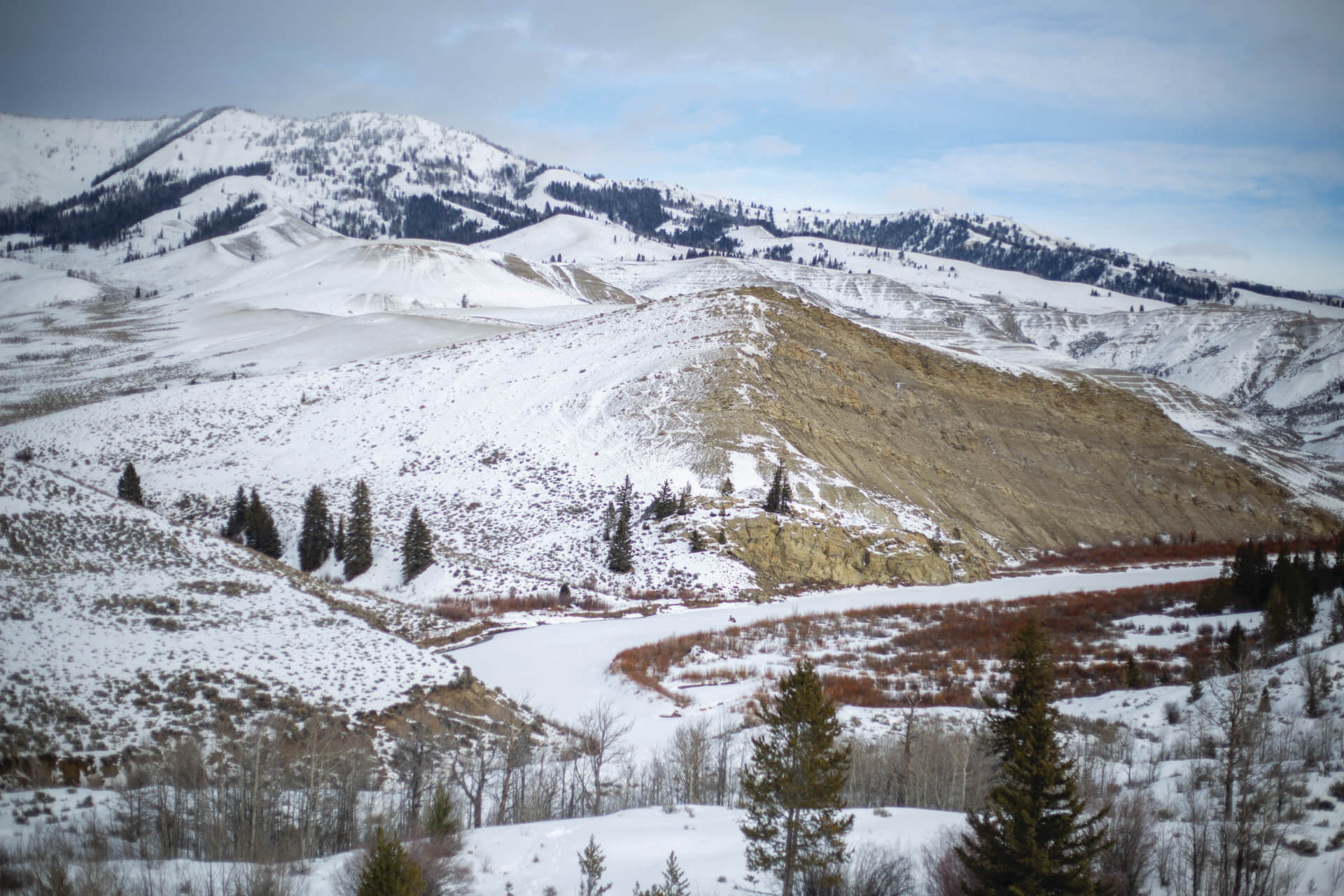
South-facing slopes along the Gros Ventre Road in the Bridger-Teton National Forest are closed to protect habitat for bighorn sheep, deer, elk, and moose. “These sunnier, windswept aspects hold less snow, so animals can continue to forage while conserving energy,” Graham says.
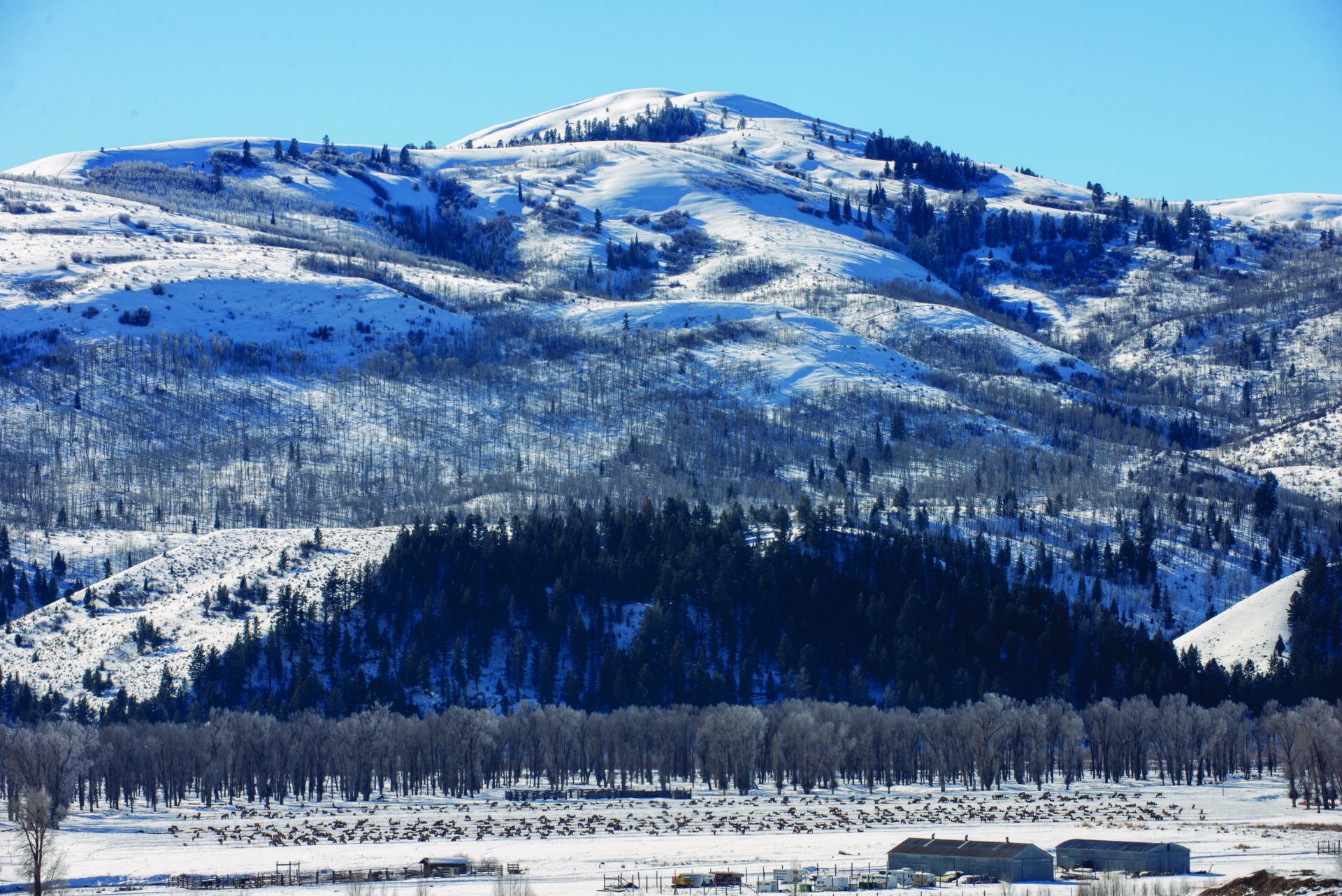
In forested habitat, like that found around Munger Mountain on the BTNF, “Moose can subsist from moving from tree well to tree well; they can access plenty of subalpine fir and spruce—enough to get them through their winter state of extended starvation,” Graham says. “Their bodies have evolved to pack on as many pounds as possible during the growing season and then draw on those reserves to make it through winter and spring until fresh green forage returns to the landscape.” The BTNF’s Egan says, “winter wildlife closures on the Bridger-Teton are contributing to healthy wildlife populations in the Greater Yellowstone Ecosystem. They are a powerful and respected tool to protect wintering wildlife on the landscape.”
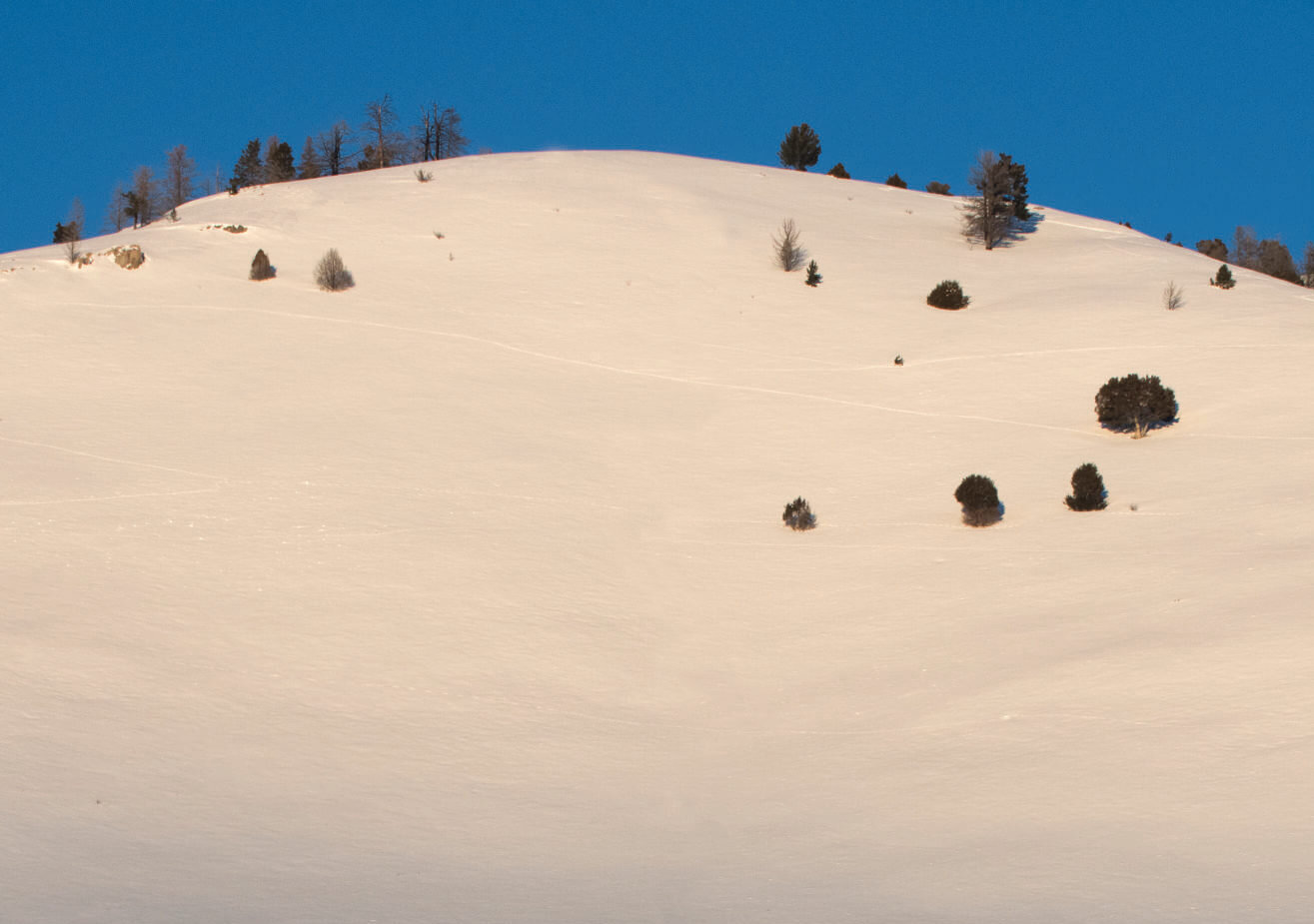
South of Snow King Resort, in the BTNF, lies a winter wildlife closure that includes slopes that many locals would love to ski—Josie’s Ridge, as well as the Leeks, Smith, Wilson, Horsethief, and Game Creek Canyons. But ski tracks are rarely seen on them. “I think the majority of people are willing to avoid certain areas if it helps wildlife survive,” Graham says. “When there are tracks, my first thought is that someone didn’t know.” But some people do encroach into these areas on purpose, and this can carry consequences. “As the price of shed antlers increased and they became more valuable, more and more people were out [in closed areas] collecting antlers in late winter, pushing animals around and causing more stress,” Lash says. This caused the Wyoming Legislature to give WYG&F the authority to regulate antler collection on public lands west of the Continental Divide; WYG&F established a shed antler season, which went into effect in 2010 and generally coincides with the end of the winter wildlife closures. Several years ago, a local worker was caught and fined for illegally harvesting shed antlers in the closed area around Horsethief Canyon and spent 10 days in the Teton County Jail.
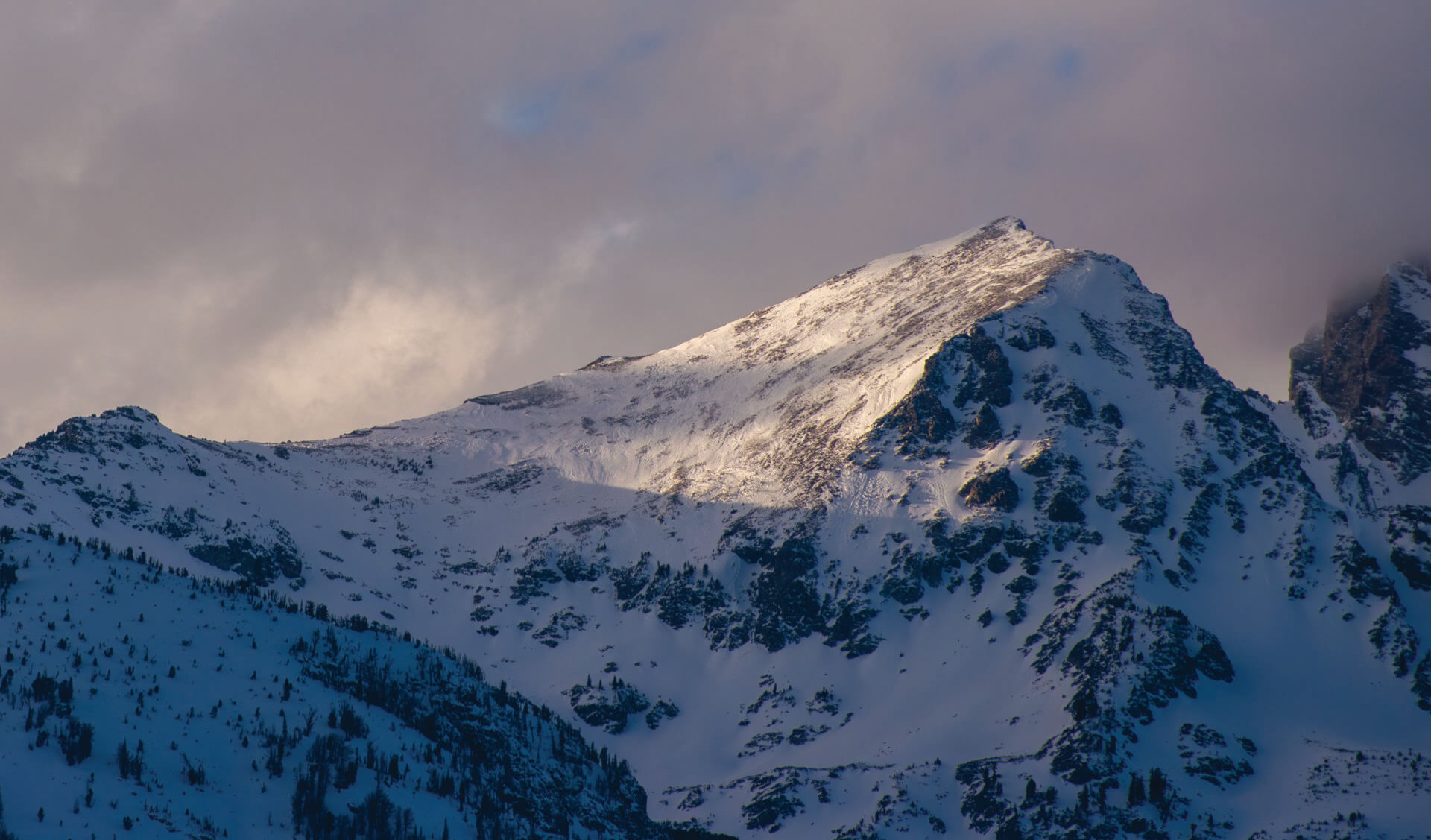
In the southern part of Grand Teton National Park, the summits of Mount Hunt, Prospectors Mountain, and Static Peak, which had been popular with backcountry skiers until this closure went into effect in 2001 to protect wintering bighorn sheep. Winter closures for bighorn are also in effect on the north sides of Darby and Teton Canyons, around Ranger Peak and Cirque Lake, as well as near Snowdrift Lake and the upper Death Canyon Shelf.
Showing how complicated winter wildlife closures can be, the closure of the A&W trail, between Adams and Wilson Canyons south of Jackson, is jointly overseen by Teton County, the Jackson Hole Land Trust, and the BTNF in partnership with the nonprofit Friends of Pathways.
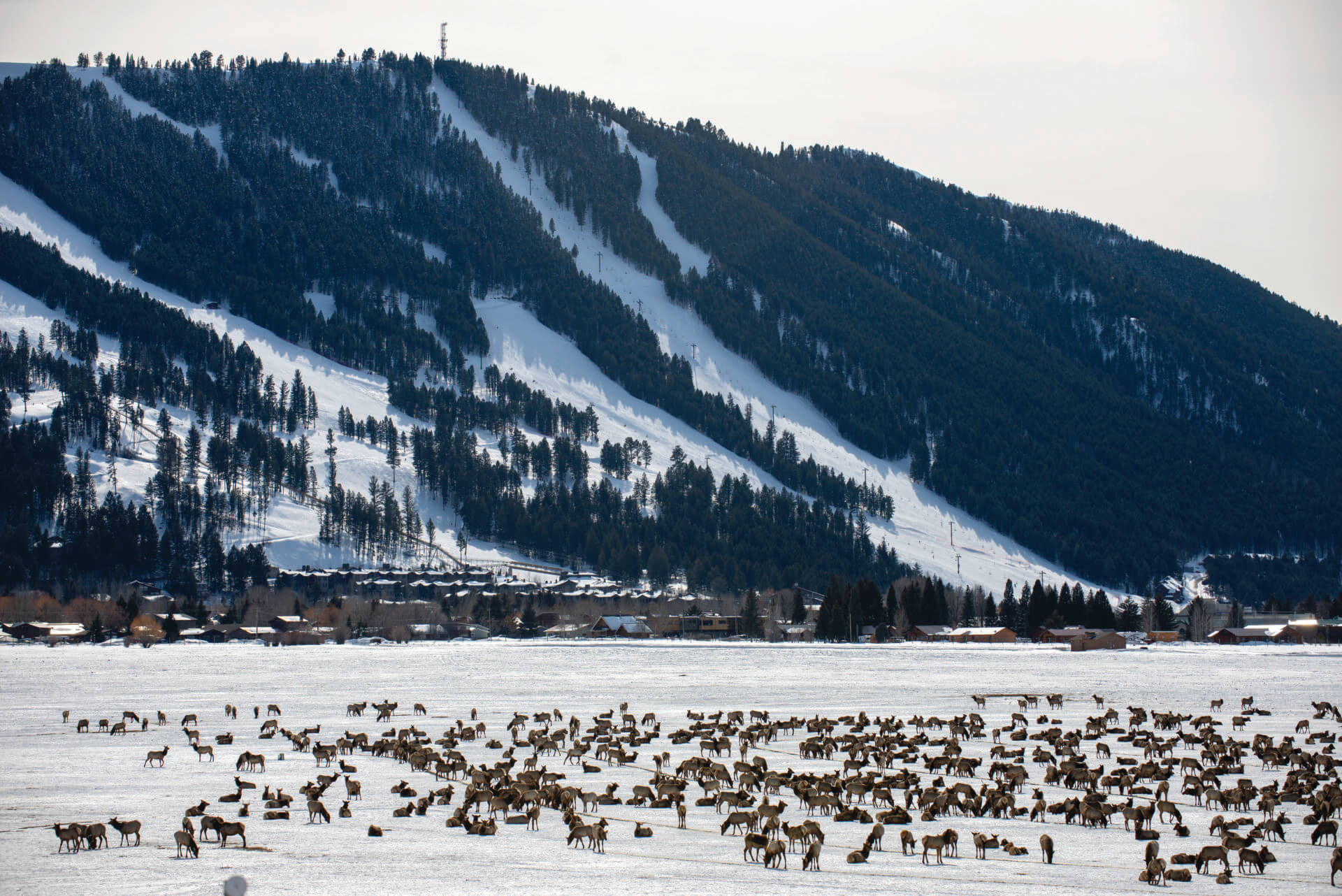
The majority of the National Elk Refuge is closed year-round to human traffic. (Exceptions include a couple of hiking trails and a fishing season on Flat Creek.) In the winter, sleigh rides are allowed on the refuge. These tours travel close to wintering elk, but because the elk have become used to the horses and sleds, they are not stressed out by their presence. JH