
Read The
Current Issue
Look to Local Plants
Landscaping with native species can be beautiful and benefits local wildlife.
// By Jim Mahaffie
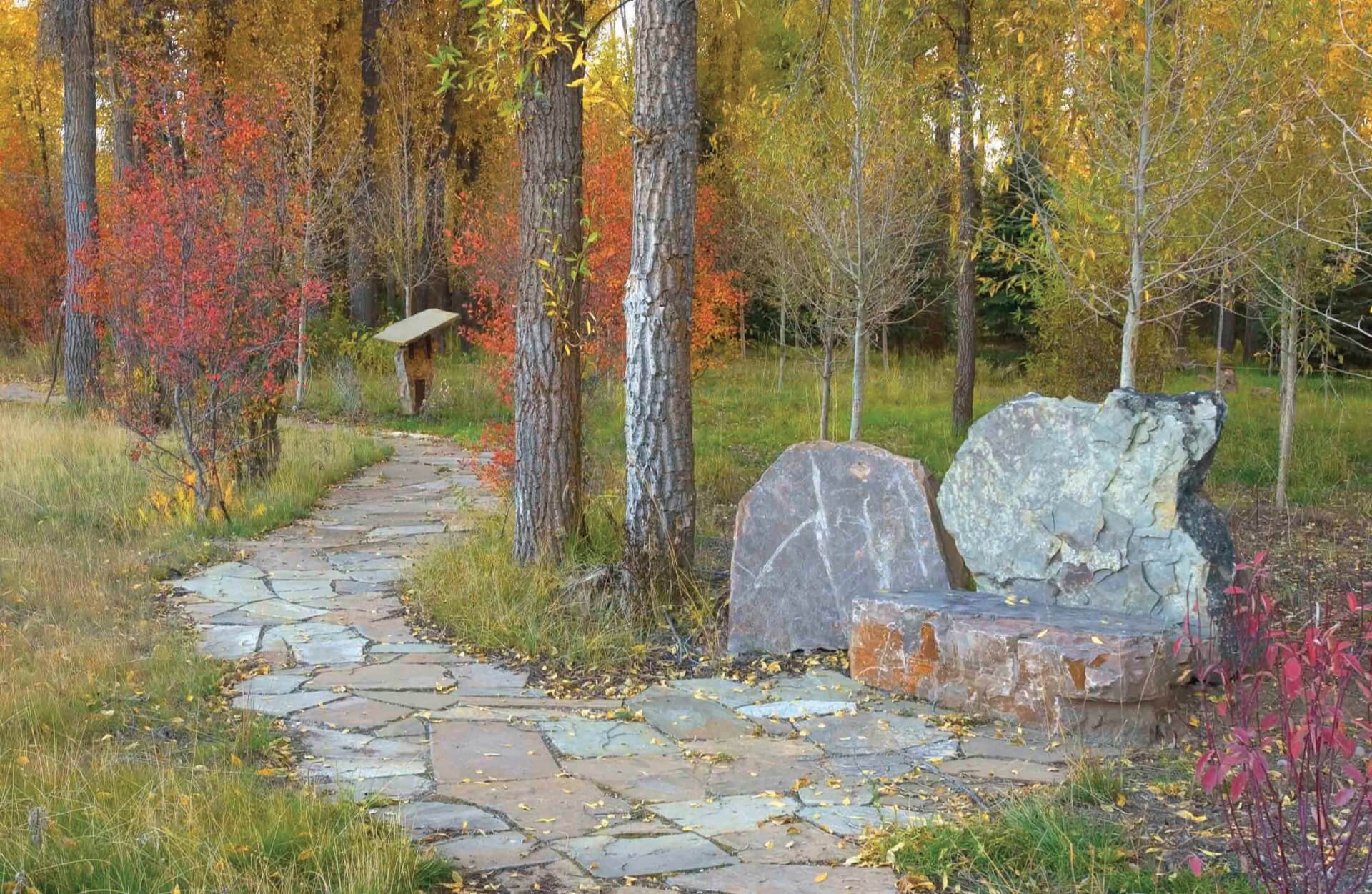
Spring and summer wildflowers put on quite a show here in the Tetons, and following our long monotone winters, it’s always amazing to see. Teton County is home to more than 1,200 species of native plants, with more than 250 of them commercially available at valley garden centers, so homeowners can bring this seasonal show to their homes.
“We love using native plants,” says Lizzie Needham, a landscape architect with HDLA, a land-planning and landscape architecture studio in Jackson. “They need less soil amendment, lower water usage, and less maintenance. They’re much better for wildlife and pollinators. The icing on the cake is that they match the ecology and character of the valley, too.”
“People are always asking us about native plants and flowers,” says Steve Deutsch, a co-founder of Teton Botanical Garden, a local nonprofit promoting native plant awareness and education. “We work with local master gardeners and public gardens, and encourage nurseries to focus on native plants, and the message is getting out.”
“People are always asking us about native plants and flowers. We work with local master gardeners and public gardens, and encourage nurseries to focus on native plants, and the message is getting out.”
Steve Deutsch, co-founder of Teton Botanical Garden
Needham says a key is to manage expectations with clients. “You may lose some plant material to browsing wildlife, like moose and elk. Your shrubs might get sacrificed or at least given a big haircut. It can be a whole different mindset than a garden in Cincinnati or Dallas.” She tells a story of planting for a client and having a mama moose and calf spend the winter on the property, chomping everything. “But they thought it was really cool having moose around for the winter.”
“Clients ask all the time about flowers and colors they see on a hike, or along a hillside,” says Katie Ziem, who runs Padmaveda Gardens. She has been designing landscapes around Jackson Hole for more than 22 years and has seen a big increase in interest in native plants. “People want to see wildflowers, and changing mindsets about gardens here is not that challenging,” she says.
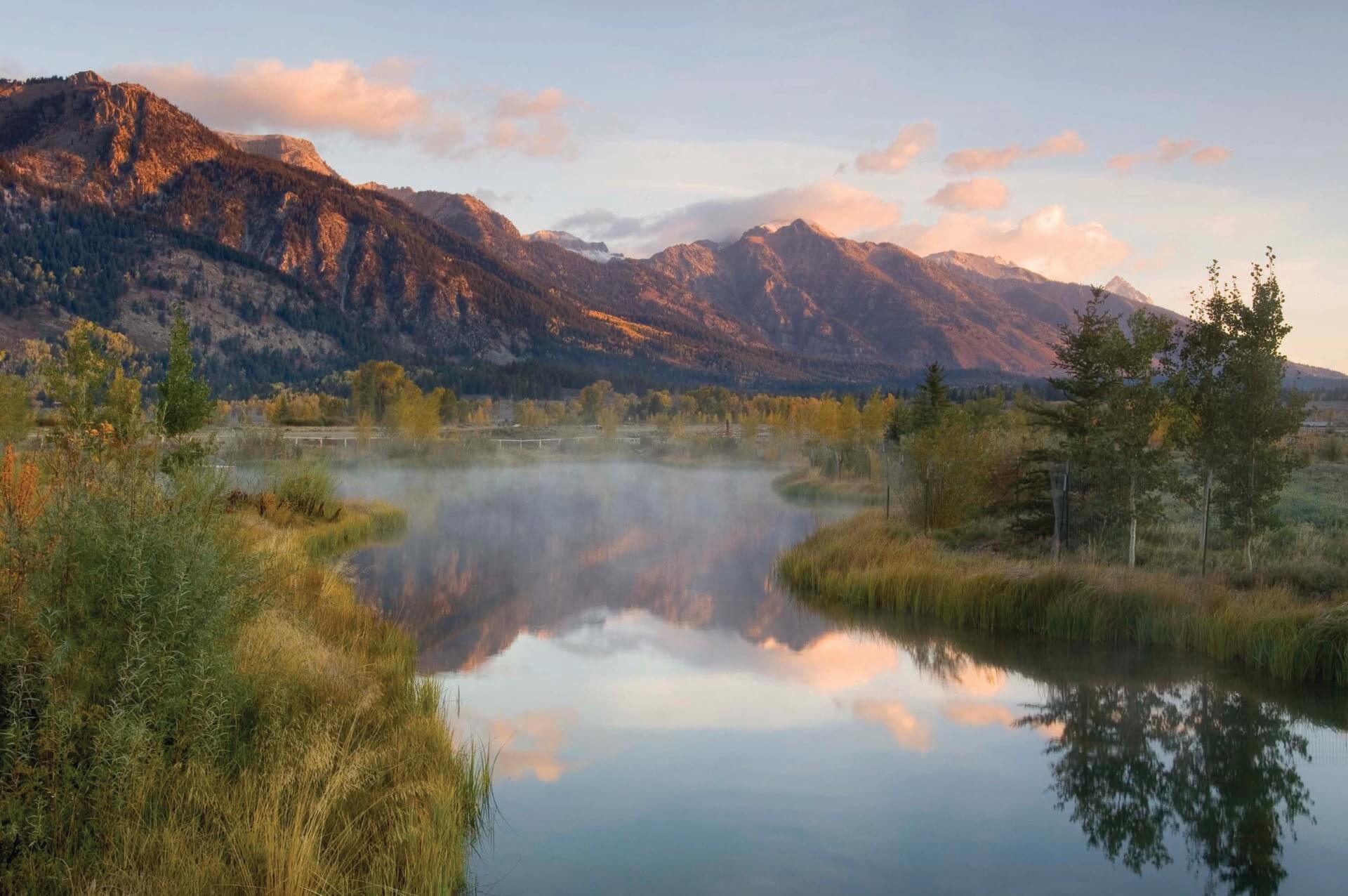
“Tell your gardener what you like and ask what they can get for you,” says Ziem. For instance, lupine flowers are stunning, but she says what you get in garden centers is actually not a native but a hybrid version. “You can get native sticky geraniums in pink and white, as well as native coneflowers. There are native peonies, yarrow, and rose varieties, too.” It’s a balancing act for garden designers, as homeowners want to see colors, but also wildlife. “You always want to design with animals in mind. Put plants that won’t get eaten as much in front, like goldenrod, lilac, and ash leaf spirea.” Mule deer, elk, and moose like different plants and hang out in different places, and you can design gardens accordingly.
“Yellow balsamroot flowers are beautiful in spring but take years to bloom in a native landscape,” says Jen Hall of Porcupine Nursery. “People try to dig it up or start it from seed with no luck. But Indian blanket is a good substitute. And it’s native, too.”
“I love native plants in our yard,” says Cynthia Blankenship of Teton Village. “Years ago, we had a free plant audit done by Teton County Weed and Pest District. (This service is offered for home landscapes in the valley.) “They told us what was native and what was not. Since then, we’ve kept our grass footprint small and let native plants do their thing. My personal favorites are mule ears, serviceberries, and chokecherries. They’re attractive for us and for every kind of wildlife.”
Local gardens with native species
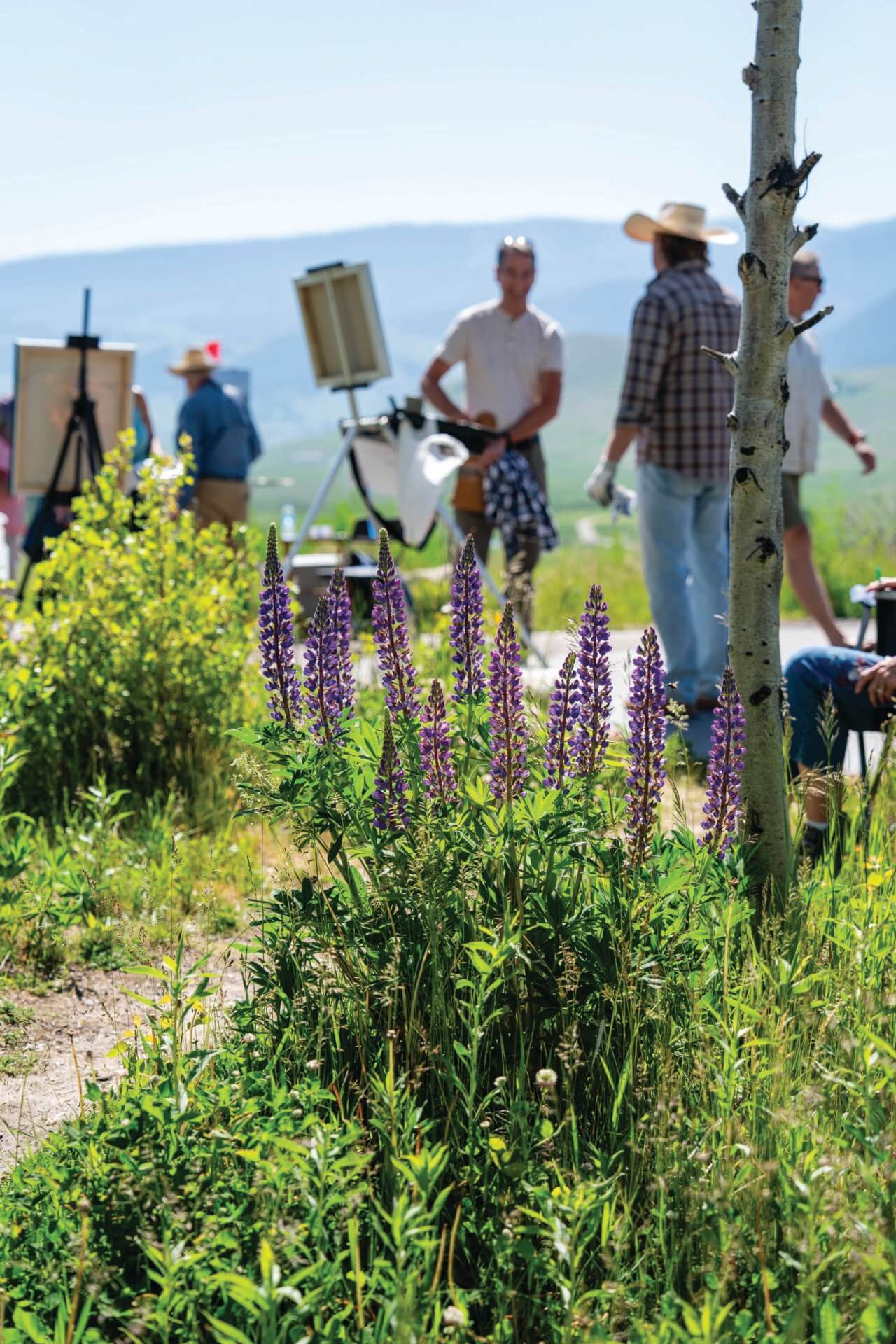
Located in Wilson, the Teton Raptor Center has a labeled Native Plant Garden installed around its headquarters building. TRC worked with the Teton Conservation District on the gardens and grows species like prairie smoke, littleleaf pussytoes, blue columbine, and kinnikinnick. “The garden is the last piece of our big renovation,” says Selena Humphreys, TRC operations director. “We’re a historic property, education is one of our pillars, and we wanted to preserve local diversity and showcase what you can do with native plants.” Ask about informal tours. The Center is located on Fish Creek, and Humphreys says the native garden “uses a ton less water.”
Working with the Teton Botanical Garden, Sage Living, a senior resident community on the St. John’s Health campus in East Jackson, has eight garden beds. While these vary year-to-year, one bed, which accommodates wheelchairs, is always dedicated to native pollinator species. The other seven are planted and maintained by residents and their families, who are assisted by Teton Botanical Garden volunteers and Sage Living staff.
Between 2000 and 2022 the National Museum of Wildlife Art partnered with the Nature Conservancy and Teton Botanical Gardens to plant gardens comprised entirely of native plants on museum grounds, including along its popular Sculpture Trail. The goals were to educate the public about the benefits of native plants and to rehabilitate a large burn scar from a 2019 wildfire that burned 90 acres of mostly cheatgrass, an invasive species, just behind the museum. The accompanying Greater Yellowstone Botanical Audio Tour is free, available in English and Spanish, and includes 35 stops with information about native plant restoration, fire ecology, Indigenous and human use of plants, and the connection between plants and art. It is “an opportunity to educate people about the natural world and why native plants are so essential,” says Jane Lavino, the museum’s recently retired Sugden chief curator of education.
For a close look at native plant restoration efforts, head out to the Kelly Hayfields near Mormon Row in Grand Teton National Park. Here, early homesteaders planted smooth brome, a nonnative perennial grass they fed livestock and bailed for winter feed. The National Park Service has been gradually restoring these former smooth brome pastures—it’s done about 1,500 acres so far—to native sagebrush and grasslands, which have more value to moose, bison, elk, sage grouse, and other wildlife. There are still areas of nonnative hay, but it’s gradually being replaced with colorful native wildflowers, sage, bitterbrush, larkspur—plus more wildlife.
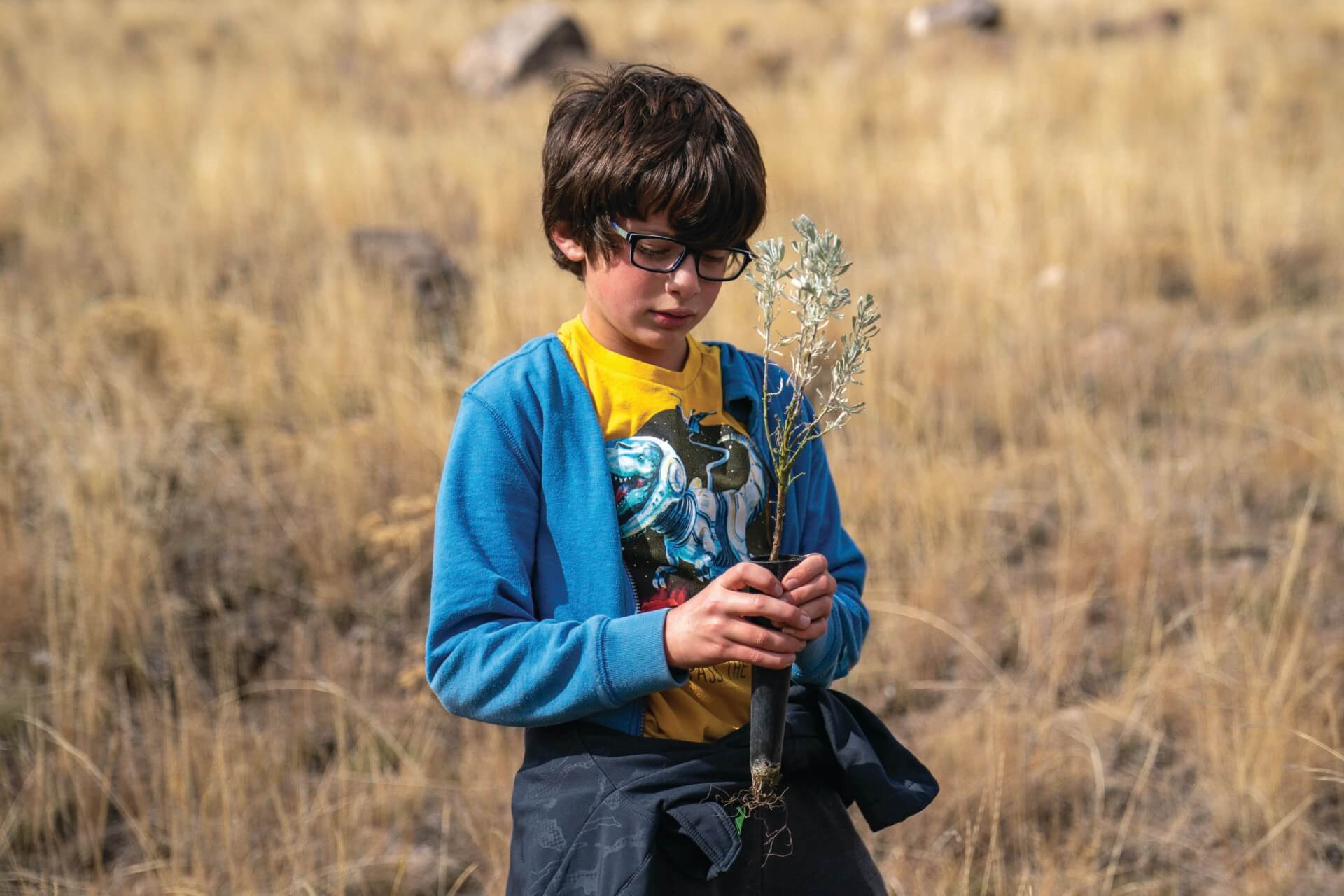
Teton Botanical Garden has built raised beds and walkable gardens of native plants at several schools in the area. These include Munger Mountain Elementary’s native pollinator plantings. Summit Innovations School has a large greenhouse plus native plant beds and trees. Jackson Hole Middle School gardens face the soccer fields, and teachers and students care for the plots and bring botany into the school curriculum. Outdoor gardens are open to the public.
Native American Uses and Native Plants
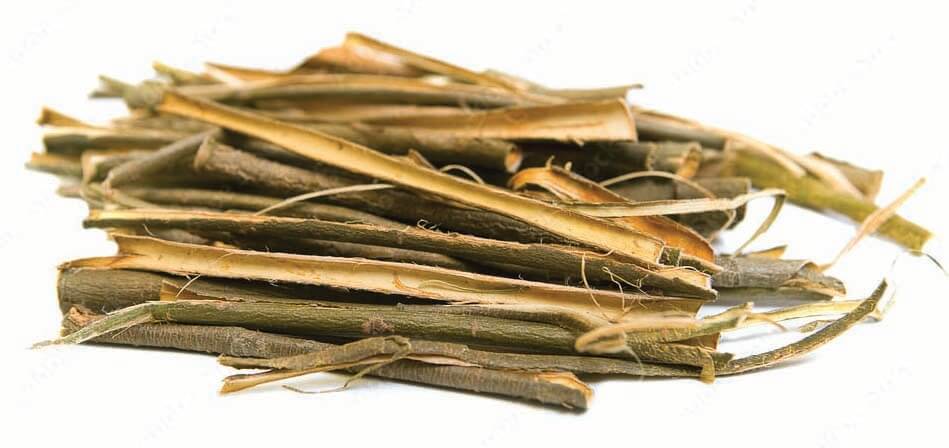
For Arapaho, Crow, and Shoshone/Bannock people, food is medicine and medicine is food. Many modern drugs derive from chemical components of traditional native plant medicines. For instance, aspirin was originally derived from willow bark. Native Americans would pound a strip of willow bark into a soup or tea for the same anti-inflammatory effect. Today, Eastern Shoshone Tribal Health, on the Wind River Reservation in central Wyoming, provides culturally sensitive healthcare and is working on community wellness through a program called Good Health Wellness in Indian Country.
Mike Garvin, the community health educator in the schools around Fort Washakie on the Wind River Reservation, says the leafy greens of amaranth, which are loaded with vitamins, “kept our people alive when the buffalo disappeared.” Sego lily has edible bulbs, and Garvin says it is revered by Natives as a life plant. Sacajawea taught the Lewis and Clark expedition how to dig “wild carrots,” which were the nutritious roots of yampah. Garvin says that in the Shoshone language, yampah means “tastes good” or “woody taste.” “We never had gardens. We were hunter-gatherers and grazed all day. By the time you’re 9 or 10, you knew every plant you ate. I tell kids today, we were like squirrels.”

Resources
For homeowners interested in doing their own native plantings, look for seeds, seedlings, bareroot, and container plants at local nurseries. Find them at Porcupine Nursery in Jackson, MD Nursery and Landscaping in Driggs, and Trail Creek Nursery in Victor, among others.
The nonprofit Teton Botanical Garden is another good resource for information. Additional resources include Teton Conservation District’s Teton County Native Species List. The Teton County Wyoming Native Plant Gallery has photos of native species. The Wyoming Weed & Pest Council offers a list of trusted seed suppliers and guides to invasive-plant-management strategies and pesticides.
Teton County Weed & Pest District offers a free audit of valley yards and gardens, explaining what is native, nonnative, and invasive. JH