
Read The
Current Issue
Altitude Adjustment
Being at a high altitude like Jackson Hole’s can be hard. Here’s how to make it easier.
// By Bevin Wallace
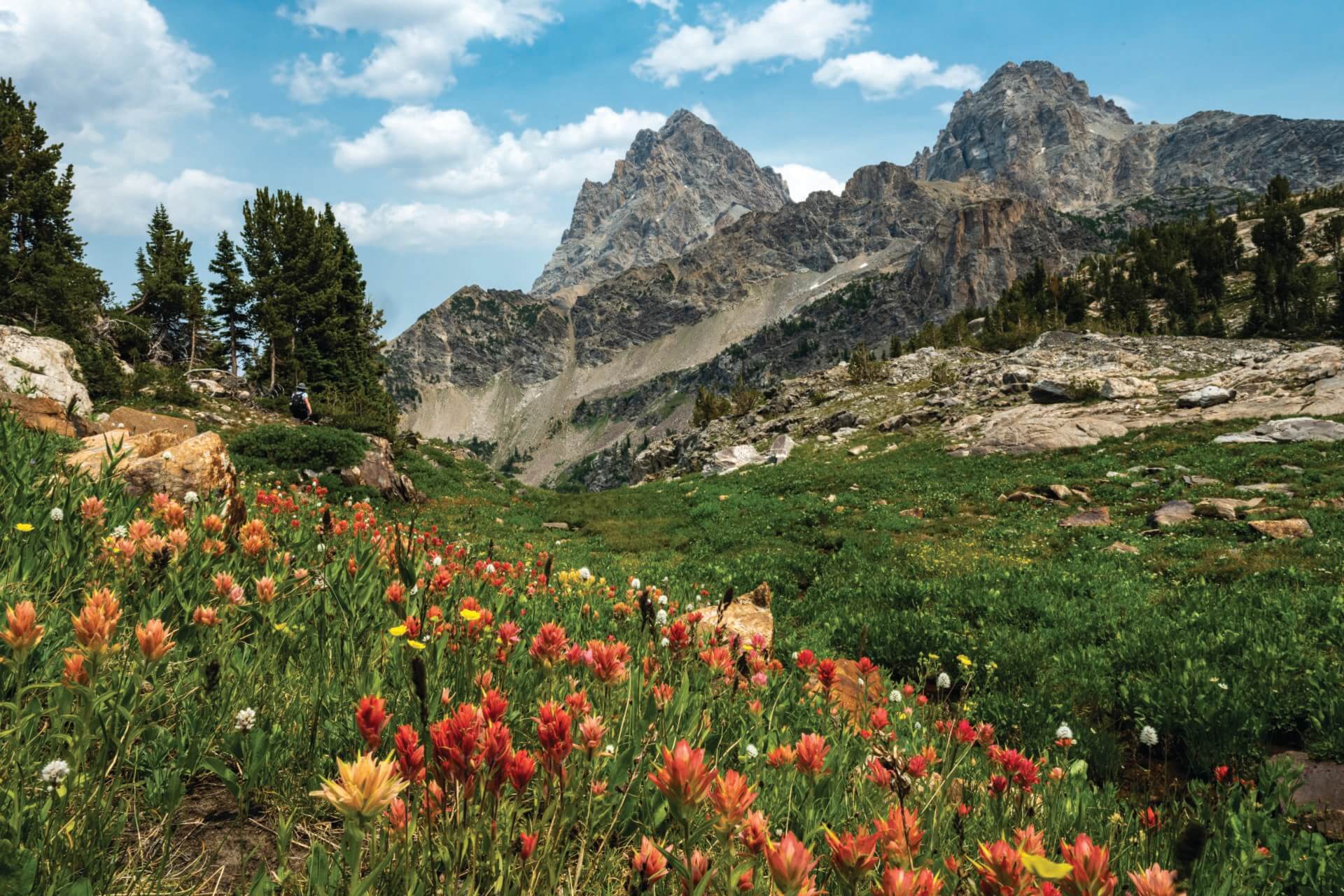
We all know the higher you go, the thinner the atmosphere becomes. We’ve seen photos of mountaineers on Everest with their oxygen masks, and we’ve probably heard stories or even experienced acute mountain sickness ourselves. Yet, although up to 25 percent of people experience AMS at elevations around 8,000 feet and up to 40 percent at 10,000 feet (less than the height at the top of Jackson Hole Mountain Resort’s tram), altitude sickness still isn’t very well understood. “High-altitude medicine doesn’t have the giant trials that you normally see for medicine we hang our hat on, and there is a significant amount of the pathophysiology that we don’t fully understand,” says Tobin Dennis, MD, medical advisor for Teton County Search & Rescue and an ER doctor at St. John’s Medical Center in Jackson. “Why do some people who are very fit and have been at altitude before and have had no problem, all of a sudden have very severe symptoms, when some people who are less fit and have not spent any time up can be doing the exact same trip and have no symptoms whatsoever? It’s very interesting, and someday we’ll probably know it, but we don’t know it now,” he says.
We do know that AMS is caused by rapidly going to a high altitude, where there is less available oxygen. As the brain and body struggle to cope with the reduced oxygen (hypoxia), we can experience symptoms like headaches, nausea, shortness of breath, and fatigue—not the way you want to start your trip to Jackson Hole. The good news is Jackson Hole, at 6,237 feet, is not a place that sees a lot of the life-threatening forms of altitude sickness: high-altitude pulmonary edema and high-altitude cerebral edema. “What we end up seeing is a lot of the acute mountain sickness, which is unpleasant, but it’s generally self-limiting and will take care of itself,” says Dennis. “The biggest thing is it can really ruin vacations.” To avoid that happening, especially if you’ve experienced altitude sickness symptoms in the past or have a comorbidity such as poor lung function or kidney disease, take the following precautions before and during your trip to Jackson Hole.
Take it Easy at First
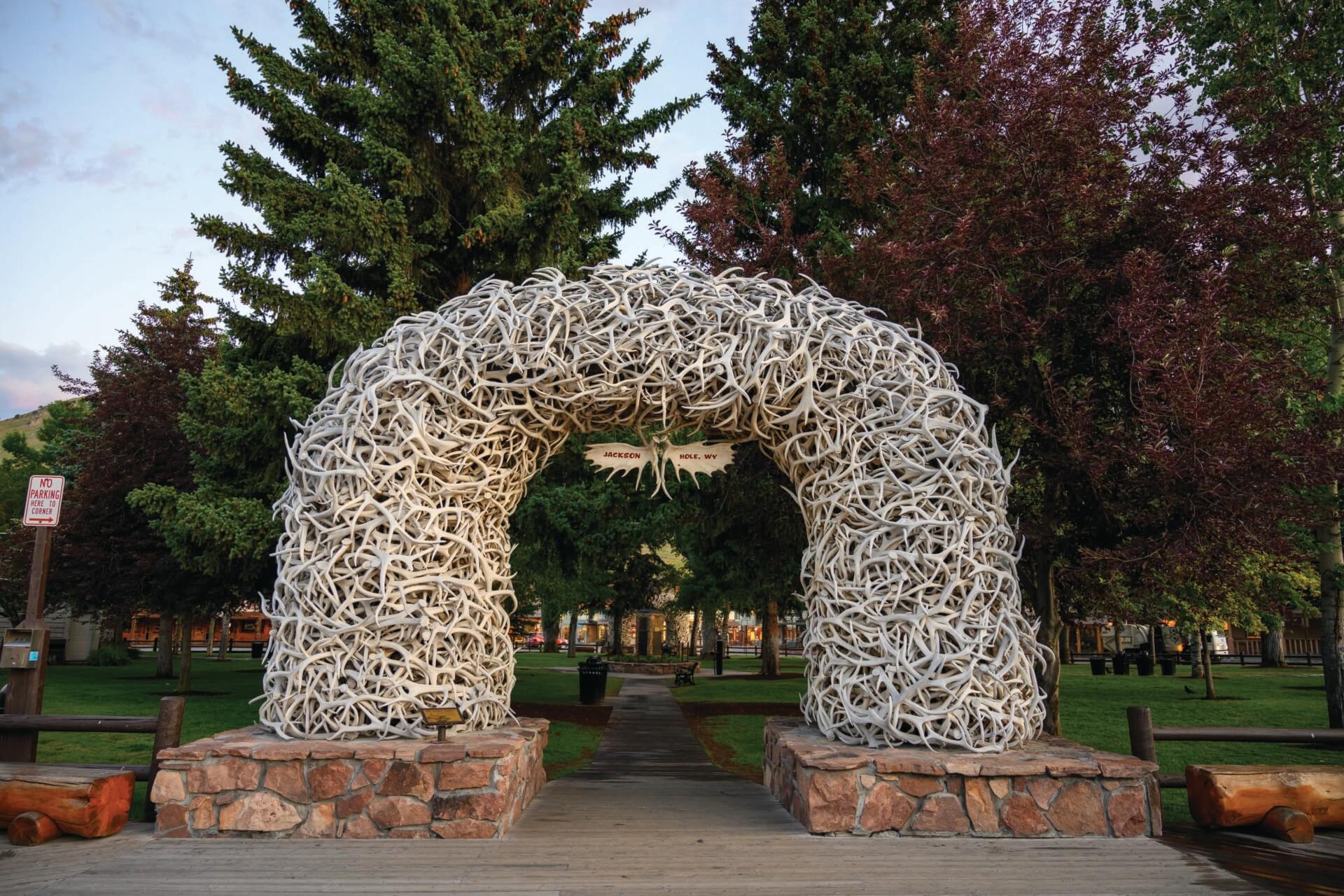
We know this is hard, but if you’re coming from a low elevation, don’t plan that hike in the Tetons for the first day of your trip. Your body needs time to adjust to the change in oxygen levels. “When you’re up at elevation and you’re starting to have symptoms, you don’t want to significantly exercise,” Dennis says. “The initial day or two, do your sightseeing around town and wait to do the bigger things until your body’s a little more acclimated to the elevation.” Jackson Hole is obviously a mecca for outdoor adventure, but it also has a historic downtown (complete with an antler-arched Town Square), the National Museum of Wildlife Art, over 25 art galleries, and the beloved Valley Bookstore—not to mention a vast assortment of gourmet restaurants and bakeries—to keep you occupied while you become acclimated, which Dennis says usually happens within 48 to 72 hours.
Stay Hydrated (and Avoid Alcohol)
Dennis says the evidence that hydration (and nutrition) specifically helps with AMS is anecdotal. There is little evidence that consuming excessive amounts of water can prevent or treat AMS, and he cautions against hyponatremia and other issues associated with drinking too much water. However, staying hydrated in the mountains is still crucial due to fluid losses from dry air and increased physical exertion (think breathing hard) at altitude, according to the University of Colorado Anschutz Medical Center. Dehydration can mimic and even worsen AMS, and proper hydration (with added electrolytes) will help counteract fluid loss, which can improve blood oxygen volume. To the extent that alcohol (and especially hangovers) causes dehydration, maybe save your visit to the Million Dollar Cowboy bar for later in the trip.
Get Good Sleep
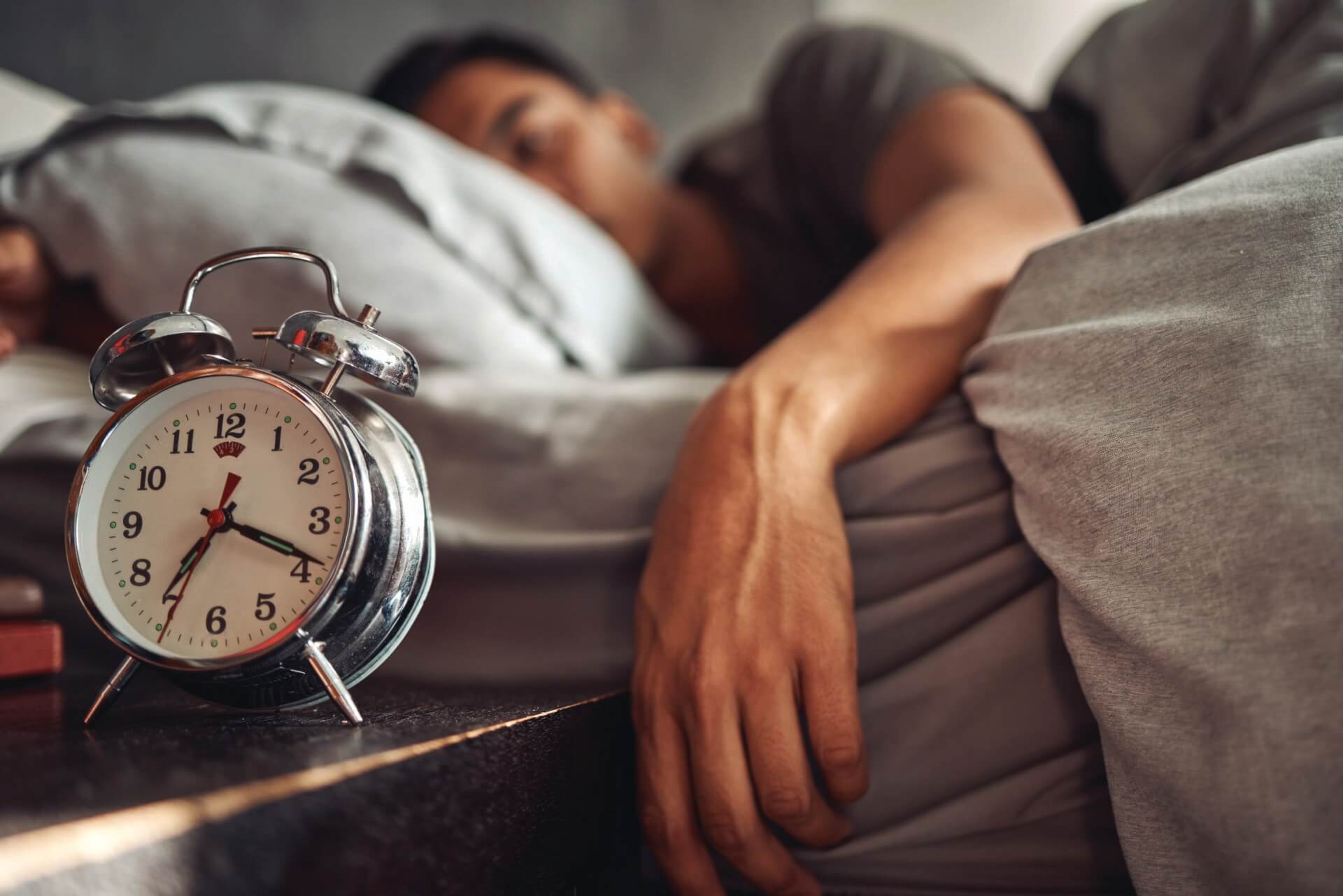
More important, according to Dennis, is the link between altitude sickness and sleep. “One of the main complaints of acute mountain sickness is inability to sleep,” he says. “And part of the reason people do poorly is that their sleep is so significantly disturbed.” Dennis recommends trying things like melatonin and Benadryl but cautions against other antihistamines and sleep aids. “The other ones can mess with your respiratory system a little, which actually causes more problems because you need to increase your respiratory rate to increase that oxygen,” he says. Also, where you sleep is important: if you’re coming to Jackson Hole for a multiday trip in the high country, you definitely want to sleep at relatively lower elevations for the first few days, even if it means hiking up and then back down to sleep.
Consider Medication
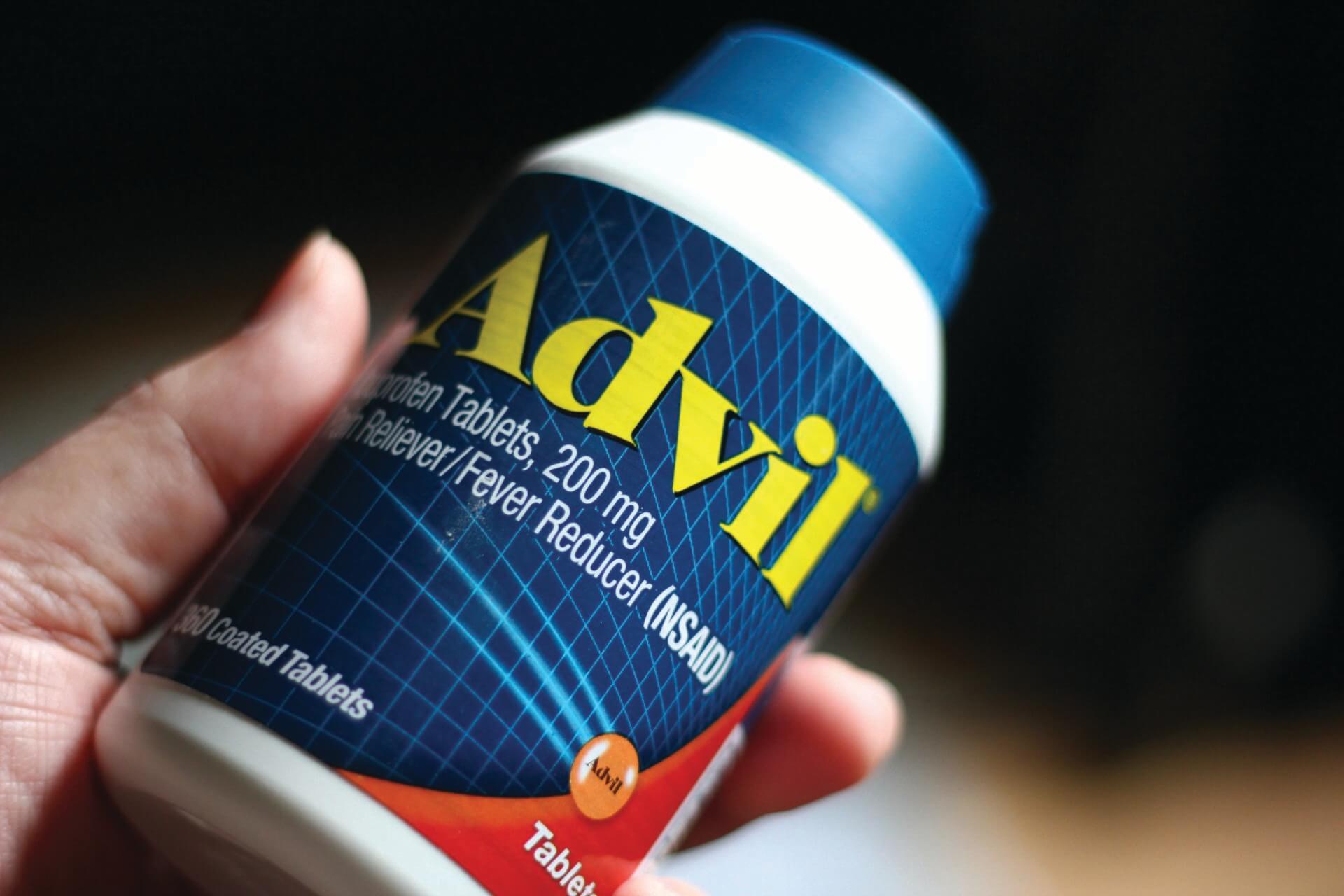
Ibuprofen helps alleviate the symptoms of AMS, and some studies have shown it also helps reduce the inflammation that being at high altitudes can trigger. There are also prescription options, which might make sense for people who have underlying health issues and are concerned about getting altitude sickness. “Things like acetazolamide [Diamox] can decrease symptom duration and severity, and it’s mainly used prophylactically. However, the majority of people wouldn’t need prophylaxis unless they’ve had previous episodes.” Depending on our health history and your adventure plans (i.e., you are heading straight from beach to plane to the top of the Paintbrush Divide), you might be a candidate. Talk to your doctor ahead of time to find out.
When to Seek Medical Attention
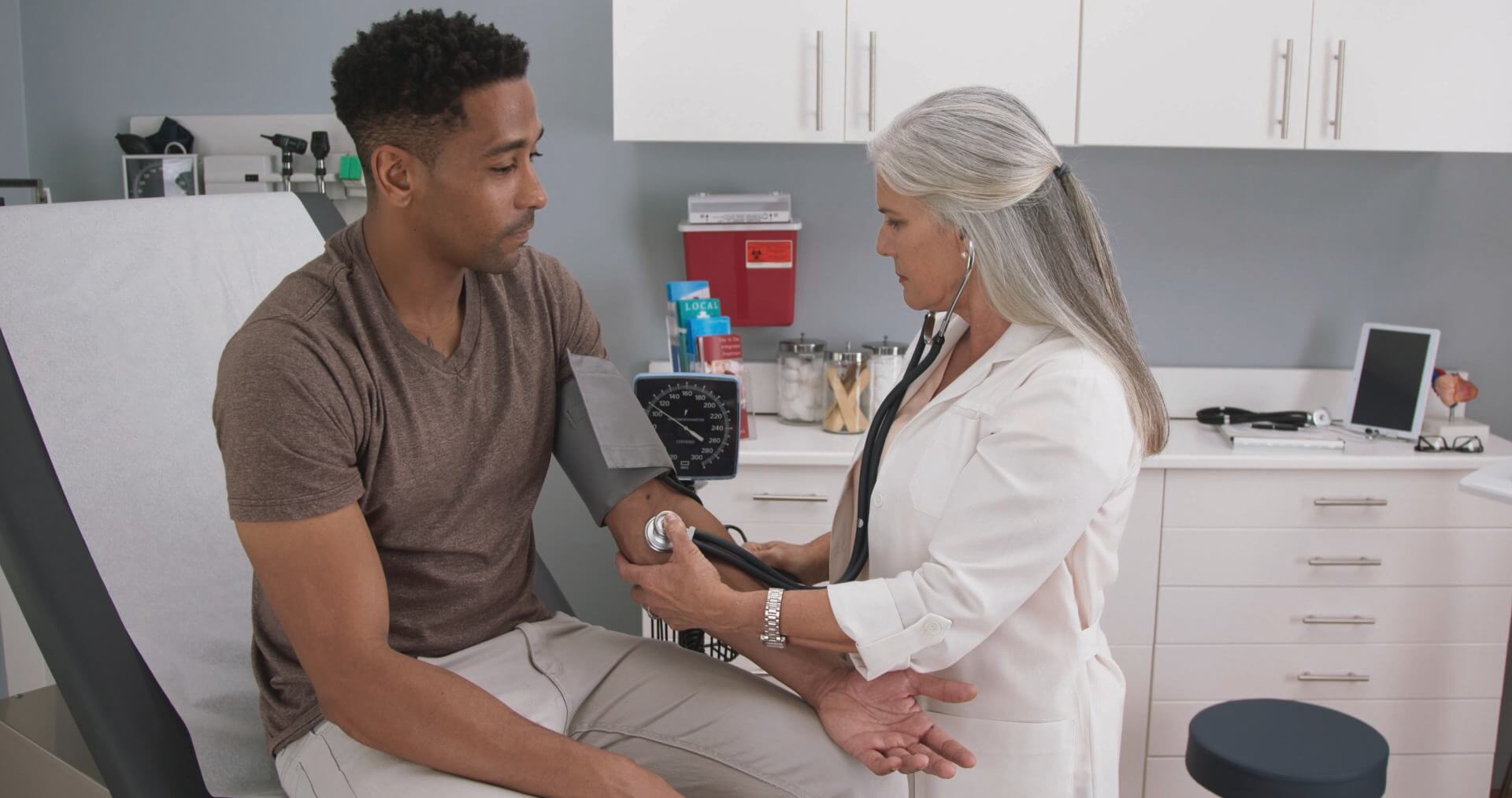
Every summer, Dennis sees people with altitude sickness in the ER—an indication that, while AMS is often self-limiting, if unchecked, it can become serious and even life-threatening. If your headache or other symptoms don’t clear up within about three days, or if they get worse, you should see a doctor.
If you experience any of these signs of the more serious forms of altitude sickness, HAPE and HACE, go to urgent care or the ER immediately:
•Dizziness
•Confusion
•Clumsiness and/or difficulty walking
•Extreme shortness of breath
•Coughing
•Chest tightness
•Severe Headache JH