
Read The
Current Issue
Buskin “Buck” Wilson
// By Jim Mahaffie
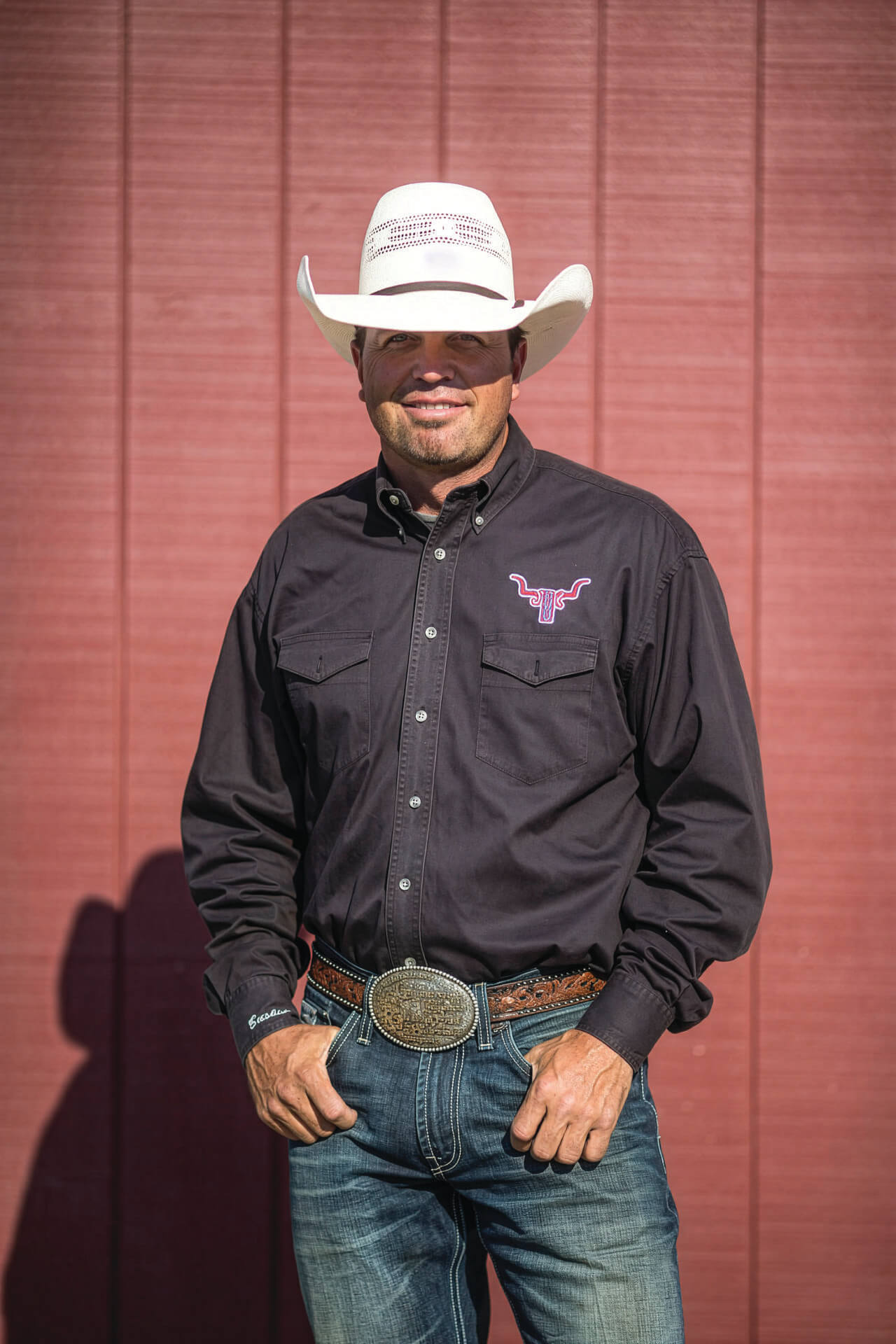
It doesn’t get more home-grown in Jackson Hole than Buskin Wilson. Six generations (and counting) of his family have called the valley their home. In 1890, Buck’s great-great-grandfather Sylvester Wilson brought his family over Teton Pass, where they began raising cattle. The Wilsons have carried on the ranch-life legacy ever since. Five generations ago, the family started outfitting. The most recent three generations have a strong rodeo tradition. And, yes, Wilson, the community just at the base of the eastern side of Teton Pass, takes its name from Buck’s family.
“It’s amazing and heartwarming to have so much history here. This valley and all the great people? Everything my family fought for and accomplished? It’s what holds my family in this place, and it’d be awful hard to leave,” says Buskin, whose name pays tribute to one of his dad’s favorite fishing spots, the Buskin River on Kodiak Island in Alaska.
Buck’s great-grandfather was the recipient of the first outfitter license of record ever issued in Jackson Hole (in 1911). Buck’s father, Philip Wilson, still has and uses this license. In 2003, Buck and his wife, Brandi, founded their own outfitting business, Hidden Basin Outfitters. From their two pack-in camps—both in the Bridger-Teton National Forest—they offer guided big game hunts for elk, deer, moose, bighorn sheep, mountain goats, and antelope.
Ranching, rodeo, and hunting run really deep in my family, and everyone ropes, rides, competes in horse and bull events, barrel races, and loves the life.”
—Buck Wilson
“I was brought up ranching and hunting, and I wanted my own outfitting business since I was a kid,” Buck says. “I realized fast that I wasn’t going to have a big ranch here in Jackson, so we wanted our camps to be a way of having a ranch here.”
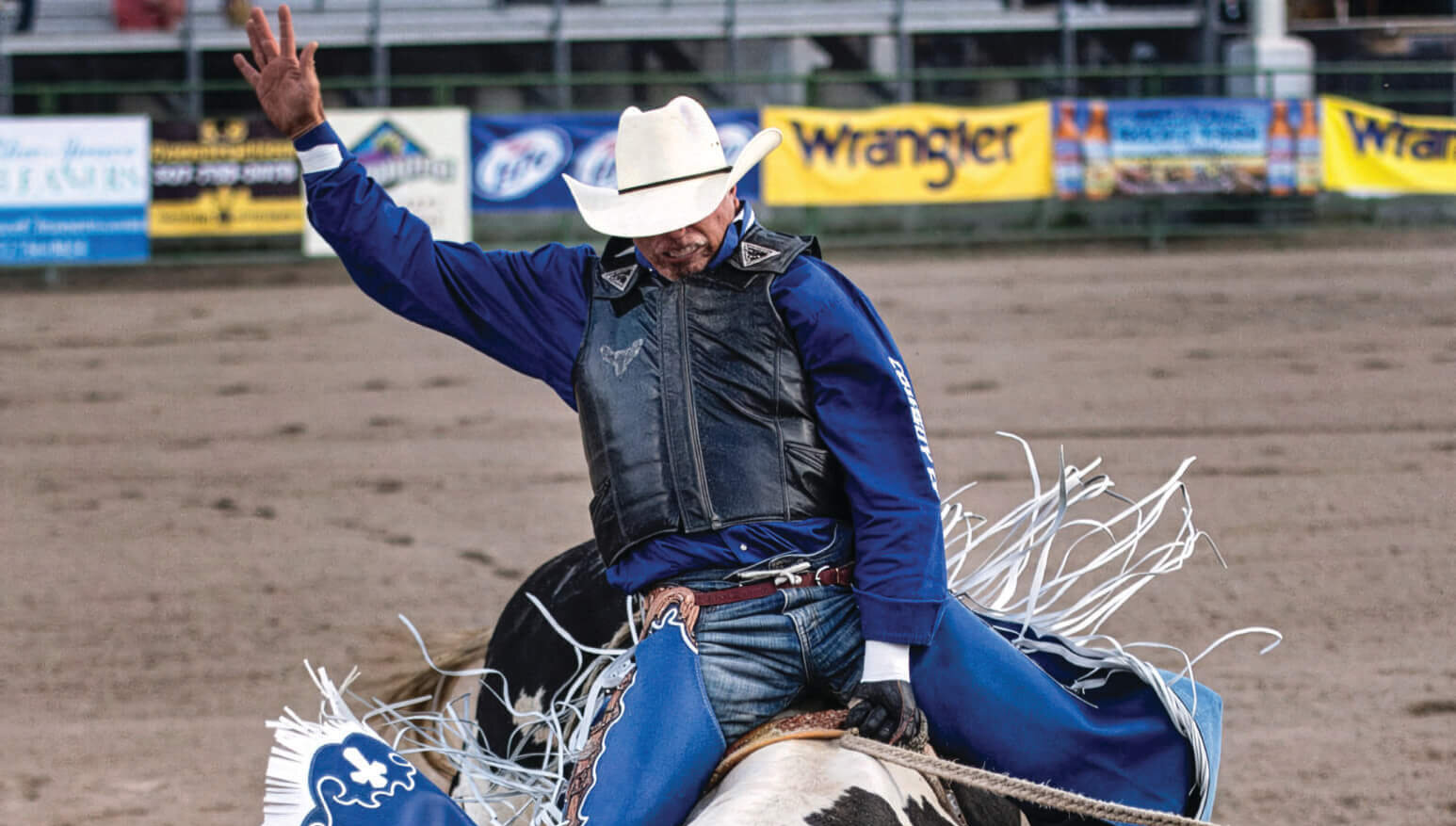
It was Buck’s grandfather Clark Wheeldon who brought a rodeo tradition to the family. He rode broncs in the valley’s first rodeos. Uncles Chet and Chancy rode bareback, saddle broncs, and bulls, and Chancy was one of the top saddle bronc competitors in the world in 1975. Buck, who was born in 1976, got his rodeo card in 1995 and, in 1997, finished a career-high 26th in the world bull riding rankings. The family doesn’t just compete, though. Buck’s dad, Philip, took over running the Jackson Hole Rodeo in 2010. Today, Philip, Buck, and his two brothers, Body and Brandon, run the rodeo, which is held every Wednesday and Saturday between Memorial Day and Labor Day.
Buck drives to and from Texas on regular bull-buying trips and found time on one long trip to answer some questions for us.
Q: What’s your favorite rodeo event to do?
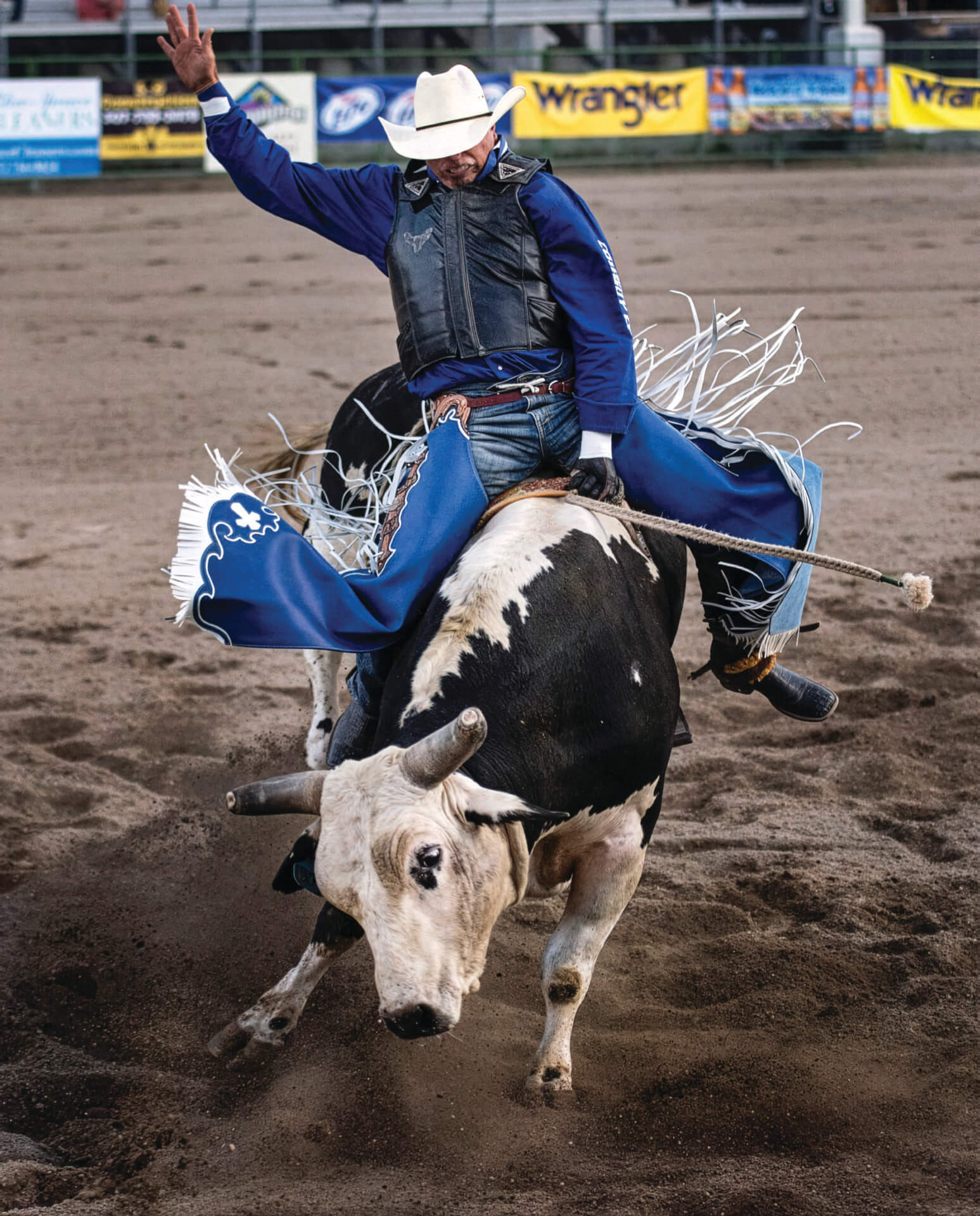
BW: Bull riding—100 percent. There’s so much thrill, so much excitement. You need to figure out what you’re good at in rodeo. For me, it’s riding bulls. The adrenaline rush is unreal. You never know what’s going to happen, and it’s nobody’s fault but yours if you don’t win. Imagine seeing one of these giant 2,000-pound bulls and saying, “I’m going to get on and ride that.”
Q: What’s your favorite rodeo event to watch?
BW: Also bull riding, but I do love them all. Especially the rough stock events (bull riding, saddle bronc riding, and bareback riding). When you know what all it takes, you can appreciate it even more. I know how much these competitors work and how hard it is.
Q: You retired from traveling internationally and competing in 2006, but do you still ride bulls?
BW: I still get on a little bit. One of my dreams is to ride in a pro rodeo with my boys, and one of my sons still has a little more than a year before he can get his pro rodeo card.
Q: What do you do for the Jackson Hole Rodeo?
BW: I manage the bucking bulls. I rotate bulls in and out every season, because after a while they can quit bucking. We want to always have great bulls and great rides and great talent, so I’m continuously shopping bulls, usually in Texas, and then rolling them in and out of the rodeo. It takes about 80 bulls a season to run the show, and they cost around $4,000 a bull. We get two truckloads from Texas every year, and we also look for good bulls in Oklahoma, Missouri, and Arkansas.
Q: Your three kids all do rodeo, and your family hosts kids who rodeo and work every summer. What does rodeoing teach kids?
BW: We try and teach them more about Western lifestyles and our heritage. I see them gain a lot of self-confidence. The animal side of rodeo is great, and you can get a lot from raising a horse and being around horses. There are things you have to uphold being a cowboy, so they also learn respect for others, being polite, and saying “yessir” and “no sir.” Plus, if you don’t know God yet, you’ll get religion from the fear factor of getting on a bucking bronc or bull.
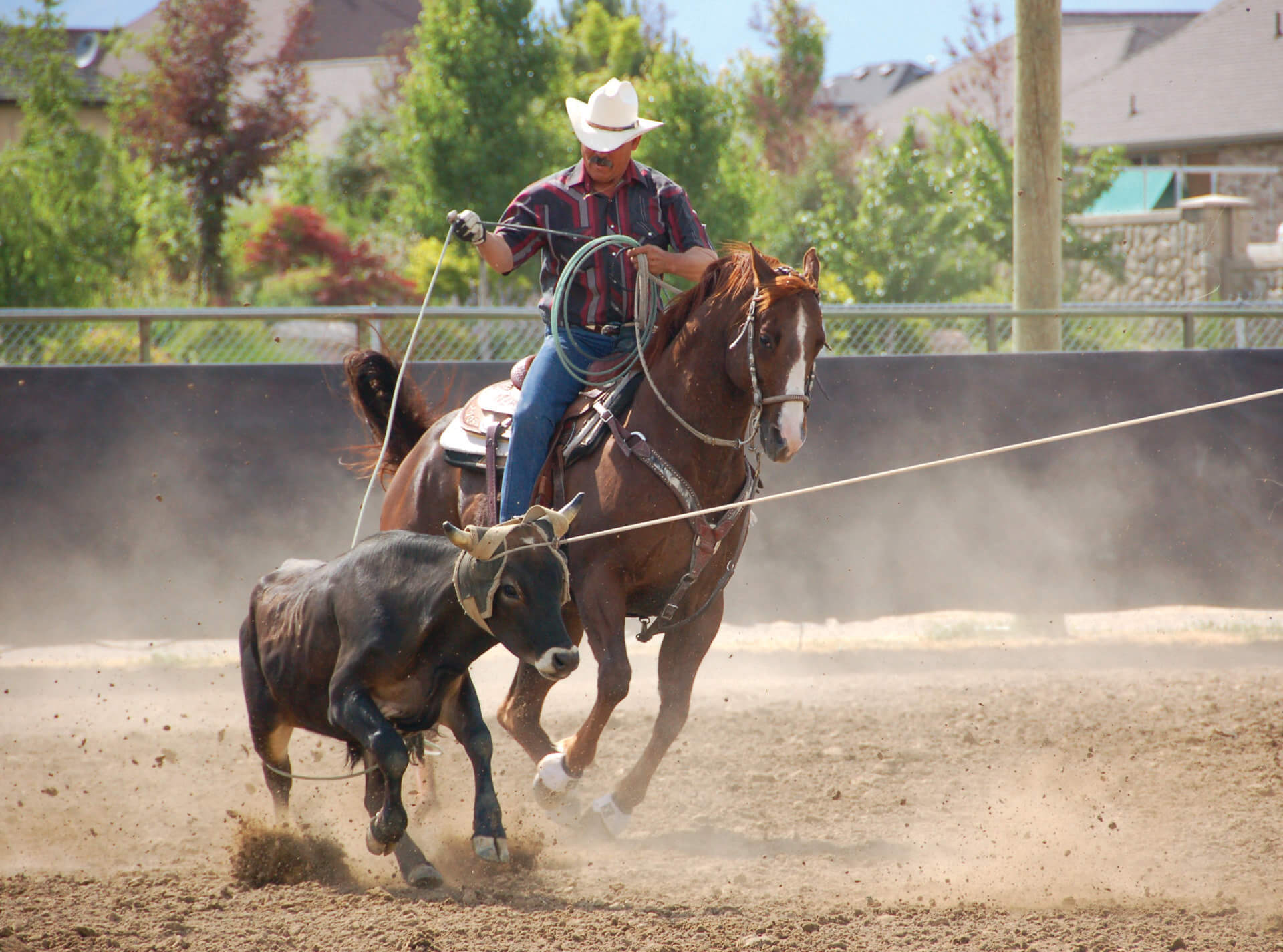
A few rodeo events explained
Professional rodeos typically feature seven core events that showcase traditional cowboy skills, including bull riding, bareback riding, saddle bronc riding, steer wrestling, tie-down roping, team roping, and barrel racing. You may see steer roping, breakaway roping, and mutton bustin’, too. Events are judged and timed.
In bull riding, riders are randomly paired with a bull and then judged on their rhythm and control—but only if they remain mounted for at least eight seconds with one hand on the rope. If cowboys touch their rope, the bull, or their own body with their free hand, they are disqualified. The total score of a ride is determined by combining the bull and rider’s individual scores.
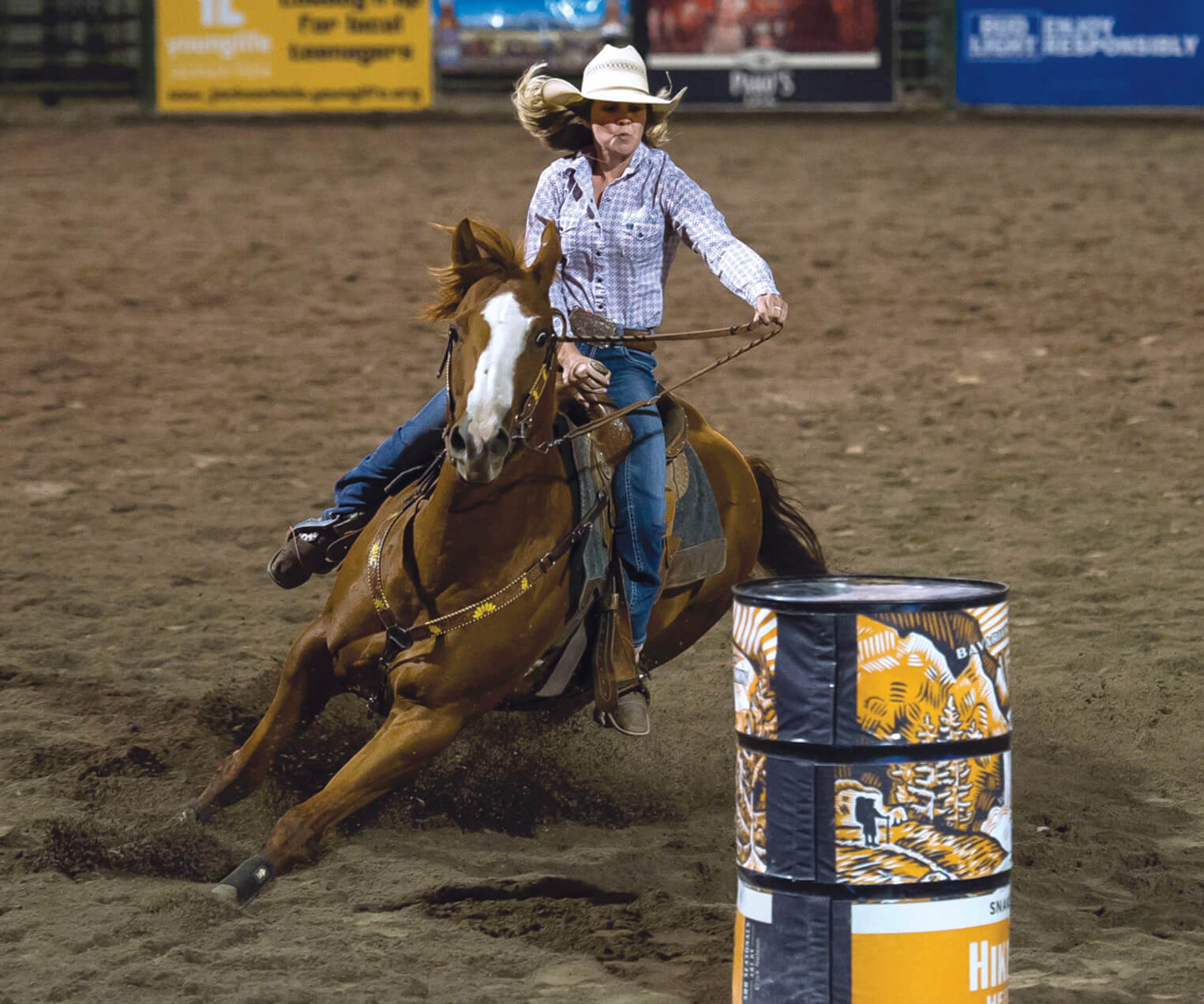
Barrel racing is a timed event. A horse and rider try to complete a cloverleaf pattern around three triangulated barrels. “You need a great horse and a great riding working together,” Wilson says. “They all have their great moments and skills.” A rider’s time depends on both the condition of their horse and also on their horsemanship.
In calf roping, a rider ropes a calf, dismounts their horse, and then restrains the calf by tying three legs together in the fastest time possible. JH